Got a skinny dining room that feels more like a hallway than a haven? You’re not alone. Many homes, especially older ones or those with open-plan layouts, end up with narrow dining spaces. But here’s the good news: drum lighting, with its diffused glow and often substantial size, can be a fantastic way to make these challenging rooms feel wider, more inviting, and beautifully illuminated. It’s all about strategic light spread and visual balance, and drum pendants are surprisingly good at both.
So, what is it about these cylindrical or drum-shaped fixtures that makes them so effective in a skinny dining room? It’s not just about aesthetics; there’s some real lighting science at play.
Diffused Light for a Softened Space
Unlike focused spotlights or bare bulbs, drum lights typically feature a shade that diffuses the light evenly in all directions. This soft, widespread illumination is crucial for a narrow room.
- Minimizing Shadows: Harsh shadows can make a small space feel even smaller and more constricted. Diffused light reduces these stark contrasts, making the room appear more open and less “boxed in.” Think of it like a cloudy day versus direct sunlight – the former feels softer and less defining.
- Creating a Luminous Ceiling: When light bounces off the ceiling from a diffused source, it visually lifts the ceiling height. This creates an airy feeling that counteracts the narrowness of the walls. It tricks the eye into perceiving more vertical space, which can compensate for the lack of horizontal spread.
- Reducing Glare: Intense, direct light can be uncomfortable and draw attention to the limited dimensions of the room. Drum shades filter this intensity, making the dining experience more pleasant and less harsh on the eyes, which in turn makes the room feel less overwhelming.
Visual Weight and Anchoring
A substantial drum pendant can act as a visual anchor in the room, drawing the eye upward and outward rather than letting it focus on the narrow walls.
- Commanding Presence: A well-sized drum light, even in a narrow room, can be a statement piece. It commands attention and provides a focal point, diverting the eye from the room’s less desirable dimensions. It’s like a beautiful piece of art that makes you forget the wall it’s hanging on.
- Centering the Space: By placing the drum light centrally above your dining table, you create a sense of balance and order. This is particularly important in a long, skinny room where elements can easily feel strung out. The light visually “centers” the dining area, making it feel more cohesive.
- Breaking Up Length: In a very long and narrow room, a drum pendant can effectively break up the visual length. It creates an ‘island’ of light and focus, preventing the eye from endlessly tracing the parallel walls. This segmentation can make the room feel less like a corridor.
Material and Finish Impact
The choice of material and finish for your drum light isn’t just about style; it has a significant impact on how light behaves and how the room feels.
- Lighter Fabrics: A drum shade made from a lighter fabric (like linen, cotton, or a thin rice paper) allows more light to pass through and glow from the shade itself. This amplifies the diffused light effect and contributes to an overall brighter, more open feel.
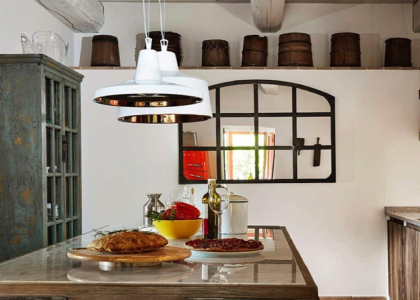
- Reflective Interiors: Some drum lights have a metallic or reflective interior lining. This can help bounce light down onto the table and outwards, increasing the overall luminosity. A silver or gold interior, for example, adds a subtle warmth or coolness to the light, which can be used to enhance the room’s ambiance.
- Translucent Materials: Materials like frosted glass or acrylic diffusers at the bottom of the drum also contribute to a soft, even glow, preventing harsh hotspots and ensuring comfortable illumination for diners. They maintain the diffused effect while offering a clean, contemporary look.
Sizing it Up: Getting the Proportions Right
One of the biggest mistakes people make in narrow rooms is choosing lighting that’s too small or too large. With drum lights, getting the sizing right is critical to widening the space, not overwhelming it.
The 1/2 to 2/3 Rule for Table Width
A good starting point for drum light diameter is to ensure it’s roughly one-half to two-thirds the width of your dining table.
- Avoid Overwhelm: If your drum light is wider than two-thirds of your table, it can feel like it’s eating the room, making it appear even smaller and more crowded. It’s not about filling the entire space above the table, but rather complementing it.
- Too Small is a Missed Opportunity: Conversely, a drum light that’s too small will look insignificant and won’t provide the visual anchoring or diffused light benefits we discussed. It’ll get lost in the length of the room and won’t effectively widen the space. Aim for a substantial, but not dominant, presence.
- Visual Balance: This proportion creates a comfortable visual balance, making the light feel intentional and integrated with the dining area, rather than an afterthought or a dominating feature.
Ceiling Height and Hanging Length
The height at which your drum light hangs is just as important as its diameter. Too low, and it becomes an obstacle; too high, and it loses its impact.
- 72-78 Inches from Floor: A general guideline is to hang the bottom of the drum light approximately 72-78 inches (about 6 to 6.5 feet) from the floor. This typically places it about 30-36 inches (2.5 to 3 feet) above the surface of a standard dining table.
- Clearing Sightlines: The primary goal here is to ensure people can see each other across the table without the light fixture obstructing their view. You don’t want anyone ducking or peering around the light.
- Tall Ceilings Can Go Lower: If you have exceptionally high ceilings, you might be able to go a little lower, say 28-32 inches above the table, to bring the light more into the human scale and create a more intimate dining experience. However, always prioritize clear sightlines.
- Low Ceilings: Flush Mount or Semi-Flush: For very low ceilings (below 8 feet), a traditional hanging drum pendant might be too much. In these cases, consider a semi-flush mount drum light (where it hangs slightly but not dramatically) or even a flush-mount drum light. These still offer the diffused light benefits without eating into valuable vertical space.
Considering the Room’s Length
While the table width is key, don’t forget the overall length of your narrow room.
- Single vs. Multiple Fixtures: For a moderately long room, a single, appropriately sized drum light can work wonders. For very long, skinny dining rooms, however, a single fixture might not be enough to adequately light the entire space or break up the visual length.
- Row of Smaller Drums: In exceptionally long dining rooms, consider installing two or even three smaller drum pendants in a row over the length of the table. This creates multiple focal points, distributes light more evenly, and actively breaks up the linear feel of the room, making it feel less like a bowling alley. Ensure these smaller drums are still proportioned correctly to your table width.
- Consistent Styling: If using multiple drum lights, ensure they are identical in style, size, and hanging height to maintain a cohesive and intentional look. Mixing and matching here can look messy and inadvertently emphasize the room’s awkward dimensions.
Placement Pointers for Maximum Impact
Where you place your drum light can significantly influence how spacious your narrow dining room feels. It’s not just about hanging it roughly in the middle.
Centered Over the Table
This might seem obvious, but it’s the golden rule for a reason.
- Defining the Dining Zone: Placing the drum light directly over the center of your dining table immediately defines the dining area. In a narrow room, this creates a clear functional zone, preventing the space from feeling like one long, undifferentiated corridor.
- Visual Balance: A centrally placed light fixture above the table creates visual symmetry and balance, which is very important in a room that might otherwise feel unbalanced due to its proportions. It acts as the anchor for the entire dining arrangement.
- Optimal Illumination: This placement ensures that the primary light source is directly where it’s needed – on your food and guests. The diffused light will then spread outwards, illuminating the surrounding area gently.
Aligning with Architectural Features
Sometimes, centering over the table might not be perfectly centered in the room. Don’t be afraid to adjust if it aligns better with other features.
- Window or Door Alignment: If your dining table is positioned under a window or near a doorway, consider how the light fixture aligns with these architectural elements. Sometimes, subtly shifting the light to align with a window frame can make the entire arrangement feel more intentional and less off-kilter, even if it’s not absolutely dead-center in the room itself.
- Built-in Cabinetry: If you have built-in buffets or display cabinets along one of the longer walls, ensure the drum light’s placement doesn’t clash with their upper edges or create awkward shadows. The goal is to integrate all elements seamlessly.
- Visual Corridor: Be mindful of creating a visual corridor. If your table is long, and the light is off-center, it might exaggerate the length rather than widening it. Use the light to break up the length, not contribute to it.
Avoiding Wall Clashes
In a narrow room, every inch counts, especially when it comes to visual clearance.
- Sufficient Clearance: Ensure there’s ample space between the edge of your drum light and the nearest walls. You don’t want the light to look like it’s crammed into the space or touching the walls. This visual breathing room is essential for making the room feel less confined.
- No Head Bumps: Beyond aesthetic clearance, also think about practical clearance. If your light is too wide for the room’s width, it might make it awkward to get in and out of chairs or pass by the table. This circles back to the sizing rules – a light that’s too wide will exacerbate the narrowness.
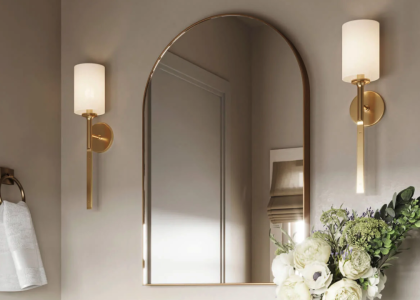
- Consider Wall Sconces: While drum lighting is your main player, don’t overlook supplementary lighting. If your drum light provides the diffused ambient light, consider adding skinny wall sconces (perhaps on dimmers) on the longer walls. These can add depth and warmth, drawing the eye along the wall in a pleasant way, rather than focusing solely on the narrowness.
Beyond the Light: Complementary Design Choices
A drum light is a powerful tool, but it’s part of a larger design ecosystem. Other choices can amplify its widening effect.
Light-Colored Walls and Ceilings
This is a classic for a reason – it works.
- Reflecting Light: Lighter colors (whites, off-whites, light grays, pastels) on walls and ceilings are highly reflective. They bounce the diffused light from your drum fixture around the room, making the entire space feel brighter and more open.
- Softening Edges: Darker colors can absorb light and make walls feel closer, emphasizing the narrowness. Lighter colors visually push the walls outwards and soften the room’s boundaries.
- Consistency is Key: Keep the ceiling slightly lighter or the same color as the walls to avoid a “hat” effect that can visually lower the ceiling. A continuous light color helps create an expansive feel.
Mirrors on Longer Walls
Mirrors are another fantastic illusionist in narrow spaces.
- Doubling the Space: Strategically placed mirrors on one or both of the longer walls can visually double the width of the room. They reflect the opposite wall, tricking the eye into believing the space extends much further.
- Reflecting Light: Mirrors also reflect the light from your drum fixture, further amplifying its diffused glow and distributing it throughout the space. This makes the room feel brighter and more airy.
- Careful Placement: Be mindful of what the mirror reflects. You want it to reflect something appealing (like a window, artwork, or the drum light itself), not clutter or an unflattering view into another room. Large, unframed mirrors can be particularly effective for a seamless look.
Streamlined Furniture and Layout
Clutter and bulky furniture will negate all your lighting efforts.
- Slim-Profile Table and Chairs: Opt for a dining table with a narrower profile and chairs that aren’t overly bulky. Avoid armchairs if possible, or choose ones with very slender arms. Furniture with visible legs (rather than solid bases) also creates a sense of lightness and openness by allowing light to pass underneath.
- Minimal Accessories: Keep table decor and wall decorations streamlined. Avoid an abundance of small items that can make a narrow space feel chaotic. A few carefully chosen, impactful pieces are better than many small ones.
- Clear Pathways: Ensure there’s enough space to comfortably pull out chairs and walk around the table without bumping into walls or other furniture. A cramped layout will always make a room feel smaller, no matter how good your lighting is. Aim for at least 3 feet of clearance around the table for comfortable movement.
- Bench Seating: Along one of the longer walls, bench seating can be a very efficient use of space, allowing more people to sit without needing the pull-out space of individual chairs. This can help free up visual space in the walk-through area.
Maintenance and Long-Term Considerations
Once you’ve got your beautiful drum light installed, a little care ensures it continues to perform its magic.
Regular Cleaning
Dust accumulation can significantly diminish the effectiveness of your drum light.
- Dusting the Shade: Fabric or paper shades can collect dust, which dulls the light and can even pose a minor fire hazard over time if bulbs are hot. Use a soft brush attachment on your vacuum cleaner or a lint roller for fabric shades. For harder materials like acrylic or glass, a damp cloth works well.
- Wiping the Diffuser: If your drum light has a bottom diffuser, wipe it regularly to ensure maximum light output and clarity. A hazy diffuser can noticeably reduce the brightness and quality of light in your room.
- Bulb Cleaning: Even bulbs can get dusty! When the fixture is off and cool, give them a gentle wipe down with a dry cloth.
Bulb Choice for Optimal Ambiance
The type of bulb you use is just as important as the fixture itself.
- LED is King: Opt for LED bulbs. They are energy-efficient, last a long time, and come in a wide range of color temperatures.
- Warm White (2700K-3000K): For a dining room, a warm white color temperature is generally preferred. It creates a cozy, inviting atmosphere that is flattering for food and people. Avoid cool white or daylight bulbs (above 4000K) as these can feel sterile and harsh in a dining setting, making the narrow room feel more clinical.
- Dimmable Bulbs and Switch: This is non-negotiable for a dining room. Being able to dim your drum light allows you to adjust the ambiance from bright for family dinners to soft and intimate for a romantic meal. This flexibility greatly enhances the functionality and comfort of a narrow space.
- Sufficient Lumens: Ensure your bulbs provide enough lumens (brightness) for the size of your dining area. While drum lights diffuse light, you still need enough overall output. Check the fixture’s maximum wattage/lumen rating before purchasing bulbs.
Future Proofing Your Design
Think about how your lighting choice fits into your long-term plans.
- Timeless Styles: While trends come and go, many drum light designs are quite timeless. Choosing a classic shape and a neutral fabric can ensure your fixture remains stylish even if your decor evolves.
- Versatility: A well-chosen drum light is versatile. Should you ever move or reconfigure your home, it can often be repurposed in another room, such as a bedroom or even a larger hallway. This practical consideration makes it a smart investment.
- Professional Installation: While some DIY, for ceiling fixtures, especially if it involves new wiring or heavy lights, professional installation is always recommended for safety and peace of mind.
By thoughtfully applying these principles, your skinny dining room can transform from a challenging space into a beautifully lit, welcoming area that feels wider and more functional, all thanks to the humble yet powerful drum light.