So, what exactly is biomorphic lighting? Simply put, it’s about bringing the natural world into your interior spaces through light. Think less about a sterile, uniform glow and more about dynamic, adaptive illumination that mimics patterns and behaviors found in nature. It’s not just about what a light fixture looks like; it’s about how it behaves and feels, aiming to enhance well-being and create a more organic, less artificial environment. Instead of a static overhead light, imagine a system that subtly shifts in color and intensity throughout the day, much like the sun, or a fixture whose form evokes a blooming flower or a flowing river.
Biomorphic lighting isn’t a new concept in its entirety – designers have always drawn inspiration from nature. However, what’s new is the sophisticated technological integration that allows these lights Lookafterbaby to not just look like nature, but to act like it too. It’s a holistic approach that considers how light interacts with us, our bodies, and our spaces.
The Philosophy Behind Biomorphism
At its core, biomorphism in design, whether in lighting or furniture, celebrates forms and patterns found in living organisms. It’s about curves, organic textures, and dynamic movements rather than rigid lines and static forms. This resonates deeply with our innate human connection to nature, often referred to as biophilia. When applied to lighting, this philosophy translates into fixtures that aren’t just aesthetically pleasing but also evoke a sense of calm and natural order. It’s about creating environments that feel intrinsically “right” for us, almost unconsciously.
Moving Beyond Static Fixtures
Traditional lighting often involves fixed, predictable light sources. You flip a switch, and the light comes on, usually at one intensity and one color temperature. Biomorphic lighting, on the other hand, embraces dynamism. It’s about light that breathes, changes, and responds. This might mean LED systems that can replicate the slow transition from dawn to dusk, or fixtures designed with kinetic elements that subtly alter their light output based on external stimuli or programmed cycles. The goal is to move past the idea of light as a simple utility and elevate it to an integral, living component of a space.
Key Principles of Biomorphic Lighting Design
To truly implement biomorphic lighting, there are a few core principles that guide its application. These aren’t rigid rules but rather a framework for thinking about light in a more organic way.
Emulating Natural Light Cycles
This is perhaps the most impactful aspect. Our bodies are hardwired to respond to the sun’s rhythm. Biomorphic lighting strives to replicate these natural cycles indoors.
Circadian Lighting Systems
These advanced systems automatically adjust the color temperature and intensity of light throughout the day, mirroring the sun’s journey. Cooler, brighter light in the morning aids alertness, while warmer, dimmer light in the evening promotes relaxation and prepares the body for sleep. This isn’t just about comfort; it has demonstrable health benefits, impacting sleep quality, mood, and cognitive function. Think of a workspace where the lighting naturally transitions, helping you stay focused during peak working hours and then gently winding down as the day ends.
Dynamic Brightness and Color Temperature
Beyond full circadian systems, even simpler biomorphic approaches incorporate dynamic changes. This could involve lighting that subtly brightens or dims, or shifts in color temperature based on programmed scenes or user preferences. The key is movement and adaptability, avoiding a monotonous, unchanging light source. It’s about providing the right light for the right time, not just in terms of task, but in terms of our natural biological rhythms.
Organic Forms and Textures
The physical appearance of the light fixture itself plays a significant role in conveying a biomorphic aesthetic.
Fixtures Inspired by Nature
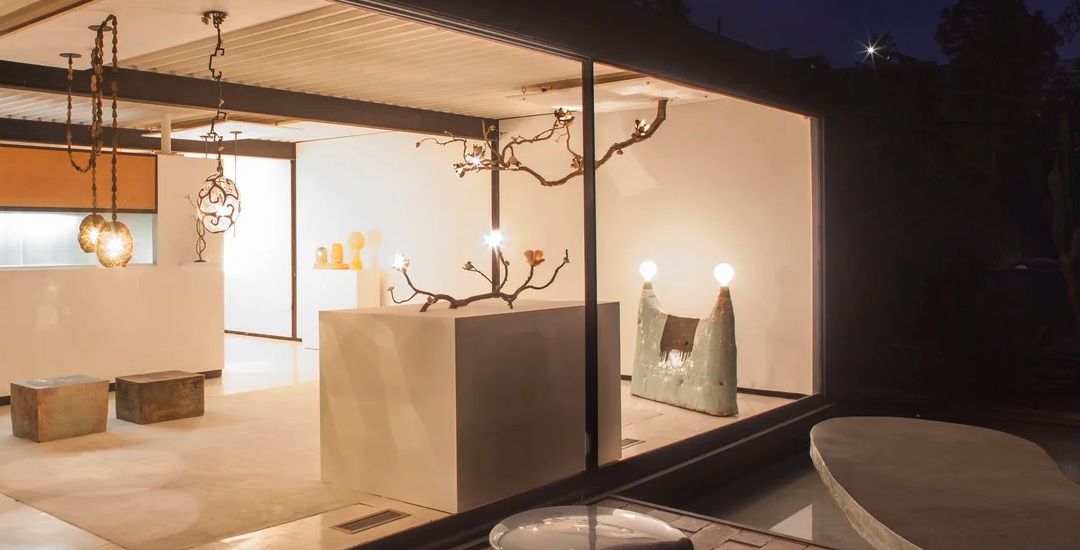
Think pendant lights that resemble delicate seed pods, wall sconces that mimic the veins of a leaf, or floor lamps with bases that evoke twisted tree branches. These designs aren’t just decorative; they contribute to the overall organic feel of the space, even when the light is off. The materials used are also important, often incorporating natural elements like wood, bamboo, or recycled glass, or textures that evoke natural surfaces.
Diffused and Indirect Lighting
Harsh, direct light often feels artificial. Biomorphic lighting frequently utilizes diffusion and indirect illumination to create a softer, more natural glow. Light bouncing off walls or ceilings, or passing through textured diffusers, mimics the way light filters through foliage or reflects off natural surfaces. This avoids strong shadows and creates a more enveloping, comfortable ambiance, much like being outdoors on a cloudy day or under a canopy of trees.
Responsive and Adaptive Illumination
The ability of biomorphic lighting to respond to its environment or users is a cutting-edge aspect.
Sensor-Based Adjustments
Integrating motion, occupancy, and even daylight sensors allows lighting systems to adapt in real-time. Lights might brighten when more people enter a room, dim when natural light is abundant, or even change color temperature based on ambient conditions. This not only saves energy but also creates a more intuitive and responsive environment, almost as if the room itself is breathing. Imagine a system that automatically brightens your reading nook as the afternoon sun begins to fade, or gently dims the lights in a meeting room when people leave.
Interactive and Personalized Control
Beyond automated systems, biomorphic lighting often offers granular control to users. Apps or smart home integrations allow individuals to fine-tune color, intensity, and even dynamic patterns to suit their mood or task. This personalization further enhances the sense of well-being and control over one’s immediate environment, making the light feel tailored and less generic.
Practical Applications in Room Design
So, where can you actually use biomorphic lighting, and how does it change the feel of a room? It’s surprisingly versatile.
Enhancing Living Spaces
In a living room, biomorphic lighting can transform the atmosphere. Instead of a single, stark overhead light, consider multiple layers.
Creating Calming Ambiance
Imagine a subtle, diffused light source behind a sofa, mimicking the glow of a hidden sunset. Or a floor lamp with a sculptural, organic form casting soft, dappled patterns on the wall. These elements combine to create a deeply relaxing and natural atmosphere, perfect for unwinding. You might program a “sunset mode” that slowly transitions from a warm white to a deep amber as evening progresses, encouraging relaxation.
Flexible Task Lighting
While ambiance is key, practical task lighting is also important. This is where the adaptive nature comes in. A reading lamp might have a default warm, soft glow, but with a tap, it can shift to a brighter, cooler light for concentrated work, mimicking a bright afternoon. The design of the fixture itself could be biomorphic, perhaps resembling a slender reed with an adjustable head.
Optimizing Work Environments
The benefits of biomorphic lighting are particularly pronounced in offices and home workspaces, where long hours under artificial light can be detrimental.
Boosting Productivity and Focus
Circadian lighting in an office setting can significantly improve employee well-being and productivity. Brighter, cooler light in the morning and midday helps maintain alertness and cognitive function, reducing fatigue. This can lead to fewer errors and increased efficiency compared to static, unchanging light. It’s about supporting our natural rhythms, not fighting against them.
Reducing Eye Strain and Fatigue
By mimicking natural light and offering dynamic adjustments, biomorphic lighting can reduce the harshness often associated with office lighting. Avoiding glary, uniform light and introducing variations in intensity and color temperature helps the eyes adapt more naturally, leading to less strain and overall fatigue by the end of the day.
Designing Restful Bedrooms
The bedroom is arguably where natural light cycles are most crucial for our health.
Promoting Healthy Sleep Patterns
This is where circadian lighting truly shines. A system that gently brightens to mimic dawn can make waking up feel more natural and less jarring. Conversely, as evening approaches, the light can gradually dim and warm, signaling to the body that it’s time to wind down, promoting the release of melatonin and aiding in a smoother transition to sleep. This isn’t just about making the room look nice; it’s about supporting a fundamental biological process.
Creating Serene Retreats
Beyond the functional aspects, the aesthetics of biomorphic lighting can turn a bedroom into a true sanctuary. Soft, diffused lighting from fixtures inspired by natural forms – perhaps a pendant light resembling a cloud or a series of small, glowing orbs like fireflies – contributes to a deeply serene and calming atmosphere, far removed from the harshness of traditional overhead lights.
The Technology Behind the Transformation
While the concepts are rooted in nature, the implementation relies heavily on modern technology.
Advanced LED Systems
LEDs are the backbone of biomorphic lighting. Their energy efficiency, longevity, and, most importantly, their ability to produce a vast spectrum of colors and intensities make them ideal.
Tunable White LEDs
These are crucial for circadian lighting. They contain different LED chips that can emit both warm (amber) and cool (blue) light, allowing the system to seamlessly blend them to achieve any color temperature along the white light spectrum, from a warm 2700K to a cool 6500K or beyond. This capability is what allows for the smooth transition from sunrise to sunset emulation.
RGBW/RGBA LEDs for Color Shifts
For more expressive biomorphic designs that incorporate splashes of color (e.g., mimicking a sunset’s fiery hues or the gentle greens of a forest), RGBW (Red, Green, Blue, White) or RGBA (Red, Green, Blue, Amber) LEDs are used. These allow for a full spectrum of colored light in addition to tunable white, expanding the creative possibilities for dynamic and evocative lighting schemes.
Smart Home Integration and Control
Modern biomorphic lighting is almost invariably part of a larger smart home ecosystem.
Programmable Scenes and Schedules
Users can set up detailed schedules for their lighting to automatically change throughout the day, or create specific “scenes” for different activities (e.g., “Relax,” “Work,” “Dinner”). These programs can be highly customized and adapted to individual preferences, making the lighting truly responsive to lifestyle.
App and Voice Control
Controlling these complex systems is made easy through smartphone apps or voice assistants. This user-friendly interface allows for intuitive adjustments and personalization, putting the power of dynamic lighting directly into the hands of the user without needing to fiddle with complicated switches. It removes barriers to using sophisticated lighting.
Materials and Manufacturing
The physical form of biomorphic fixtures often requires innovative approaches to materials and manufacturing.
Sustainable and Natural Materials
Designers frequently opt for materials like responsibly sourced wood, bamboo, cork, or recycled glass. These not only align with the natural aesthetic but also speak to a broader commitment to sustainability, which often goes hand-in-hand with biophilic design principles.
3D Printing and Parametric Design
For complex, organic shapes that are difficult or expensive to produce through traditional manufacturing, 3D printing has become invaluable. Parametric design software allows designers to generate intricate, nature-inspired forms that can then be precisely printed, opening up new frontiers in fixture design that would have been impossible just a few years ago.
Integrating Biomorphic Lighting into Your Home
Thinking about how to incorporate this into your own space? It doesn’t have to be an all-or-nothing approach.
Start Small: Accent Pieces
You don’t need to overhaul your entire lighting system at once. Begin with a single, striking biomorphic pendant light in your dining area, or a floor lamp with an organic, sculptural base in your living room. Even a single fixture can introduce the natural aesthetic and spark conversation.
Layering Light Sources
The most effective lighting designs utilize multiple light sources. Combine an overhead fixture (even if it’s a more traditional one) with a biomorphic table lamp or wall sconce. Use these varied sources to create depth, highlight architectural features, and provide flexible illumination. Think about how light naturally filters through different elements in nature – this layered approach mimics that effect.
Consider Your Daily Rhythms
Think about how you use each room throughout the day. In your bedroom, prioritize circadian-friendly lighting. In a home office, consider tunable white LEDs for productivity. In a living room, focus on creating adaptable moods. Tailoring the lighting to your actual habits will maximize its benefits. It’s about designing light for your life, not just for a static room.
Biomorphic lighting isn’t just a trend; it’s a thoughtful evolution in how we interact with our indoor environments. By consciously mimicking nature’s rhythms and forms, it offers a fresh approach to room design that goes beyond aesthetics, aiming to create spaces that truly support our well-being and reconnect us with the natural world, even when we’re inside. It’s an exciting time to think about light not just as something that illuminates, but as something that truly enhances our lives.