Concerned about shadowy corners around your home after dark? Want a simple, effective way to deter potential intruders and illuminate your path without racking up your electricity bill? Solar motion sensor floodlights are your answer. They’re a practical, eco-friendly security upgrade that provides instant light when and where you need it most, helping you spot trouble before it starts or simply navigate safely.
Let’s face it, nobody wants to feel vulnerable in their own home. Traditional wired lighting can be a hassle to install and a drain on your wallet. Solar options cut out both of those headaches.
Easy Installation, No Wiring Woes
Forget about digging trenches, running wires through walls, or hiring an electrician. Solar floodlights Seanoon are designed for independent operation. You simply mount them where you need light, ensure the solar panel gets enough sun, and you’re good to go. This makes them ideal for sheds, garages, backyards, and remote areas where running power is impractical or expensive.
Energy-Efficient and Eco-Friendly
Harnessing the power of the sun means zero electricity consumption from the grid. This translates to lower utility bills and a smaller carbon footprint. You’re getting reliable lighting without contributing to energy waste, making it a win-win for your wallet and the planet.
Increased Security and Deterrence
The primary benefit for many is enhanced security. A sudden burst of bright light is a powerful deterrent to intruders. Most opportunistic criminals prefer to operate in the dark, and being abruptly illuminated often sends them scurrying. It also makes it easier for you to identify any suspicious activity.
Improved Safety and Visibility
Beyond security, these lights improve safety. Navigating a dark path, stairs, or porch can lead to trips and falls. Motion-activated lights illuminate your way, reducing accident risks for you, your family, and your guests. This is particularly useful for steps, driveways, and entries.
How They Work: The Simple Science
Don’t let the “solar” and “motion sensor” parts intimidate you; the technology is surprisingly straightforward and reliable.
Solar Panel: The Power Collector
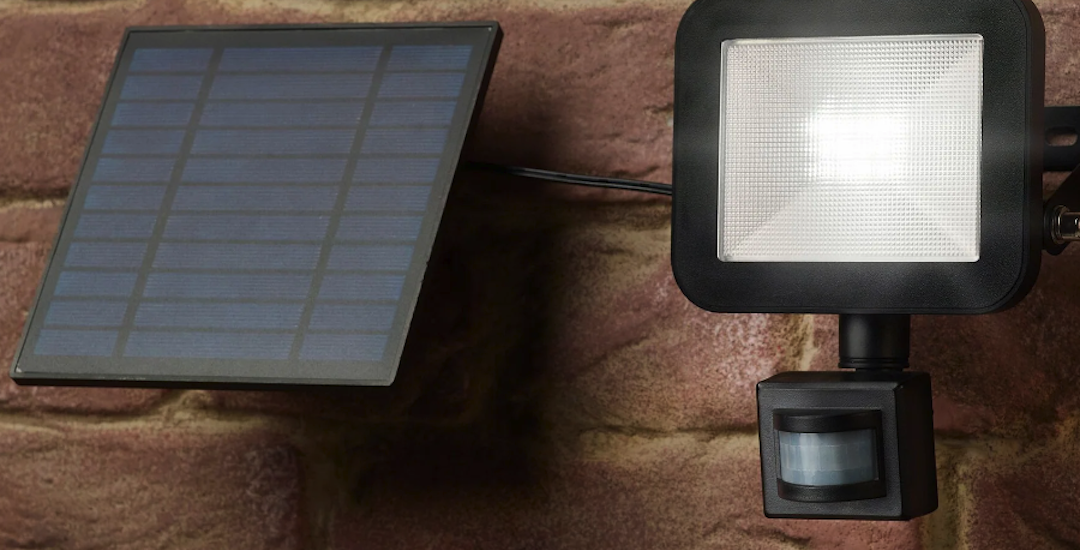
During the day, the integrated solar panel (or a separate, connected panel) absorbs sunlight. This sunlight is converted into electrical energy, much like a tiny power plant on your roof. The efficiency of this panel determines how quickly and effectively the battery recharges.
Rechargeable Battery: The Energy Bank
The electricity generated by the solar panel is stored in an internal, rechargeable battery. This battery then powers the floodlight when it’s dark. The capacity of this battery is crucial for determining how long the light can stay on and how many times it can trigger throughout the night.
Motion Sensor: The Watchful Eye
This is the “brain” of the operation. Most solar motion sensors use Passive InfraRed (PIR) technology. It detects changes in infrared radiation, which is emitted as heat from moving objects like people or animals. When a significant change is detected within its range, it triggers the light to turn on.
LED Lights: The Illuminator
Once the motion sensor is tripped, the stored energy from the battery is directed to the LED bulbs. LEDs are chosen for their efficiency, longevity, and bright output. They can provide a wide, powerful beam of light with minimal energy consumption.
Key Features to Look For When Buying
Not all solar motion sensor floodlights are created equal. To get the most bang for your buck and ensure they meet your specific needs, pay attention to these features.
Brightness (Lumens) and Coverage Area
This is arguably the most important factor. Brightness is measured in lumens. For security, you want something robust.
Lower Lumen Range (300-800 lumens)
These are good for illuminating small areas like a doorway, a single step, or a small shed. They offer more of an ambient light for safety than a strong deterrent.
Mid-Range (800-2000 lumens)
Ideal for illuminating smaller driveways, backyards, patio areas, or side entrances. They offer a good balance of brightness for security and general visibility.
High Lumen Range (2000+ lumens)
These are serious floodlights, perfect for large driveways, expansive yard areas, commercial properties, or anywhere you need significant, broad illumination. They are excellent for deterring intruders and providing clear visibility over a wide space.
Detection Angle and Range
The motion sensor’s reach determines how large an area it can actively monitor for movement.
Detection Angle
Measured in degrees (e.g., 120, 180, 270 degrees). A wider angle covers more ground. For corner placements, a 270-degree sensor is fantastic, while a 120-degree might be fine for a straight path.
Detection Range
Measured in feet (e.g., 10-30 feet). Consider how far from the light you need movement to be detected. A longer range is better for driveways, while a shorter range might suffice for a small porch.
Battery Capacity and Run Time
This dictates how long your light can stay on after being triggered, and how many times it can activate throughout the night, especially during cloudy days.
Battery Size (mAh)
Higher mAh means a larger capacity. Look for lights with sufficient battery capacity to power the lumens you need for a full night, even after a few cloudy days. Reviews are often your best friend here.
Run Time Settings
Some lights allow you to adjust how long they stay on after motion is detected (e.g., 10 seconds, 30 seconds, 1 minute). This helps conserve battery life and tailor the light’s behavior to your needs.
Solar Panel Quality and Separability
The solar panel is the heart of the charging system.
Panel Size and Efficiency
Larger panels generally gather more sunlight. Monocrystalline panels are typically more efficient than polycrystalline, meaning they charge faster, especially in less-than-ideal sunlight.
Separate vs. Integrated Panel
Some floodlights have the solar panel built directly into the light fixture. Others have a separate panel connected by a long wire. A separate panel offers more flexibility, allowing you to mount the light in a shadier spot but place the panel in full sun for optimal charging. This is a huge advantage for many tricky locations.
Durability and Weather Resistance (IP Rating)
Your outdoor light needs to withstand the elements.
IP Rating Understanding
Look for an “IPXX” rating (Ingress Protection). The first digit refers to solid particle protection (dust, etc.), the second to liquid ingress (water). For outdoor use, aim for at least IP44, but ideally IP65 or higher.
Common IP Ratings Explained
- IP44: Protected against solid objects over 1mm and splashing water. Okay for sheltered outdoor areas.
- IP65: Dust tight and protected against low-pressure jets of water from any direction. Good for general outdoor use.
- IP66: Dust tight and protected against powerful jets of water. Excellent for exposed locations.
- IP67: Dust tight and protected against immersion in water up to 1 meter for 30 minutes. Top-tier weatherproofing.
Strategic Placement for Maximum Impact
Where you install your solar motion sensor floodlights is just as important as the quality of the light itself. Poor placement can render a great light ineffective.
Driveways and Walkways
These are prime spots for both security and safety. Place lights along the edges of your driveway or at intervals along pathways. A separate solar panel might be useful here if your ideal light location is shady.
Aiming the Sensor
Point the motion sensor towards the direction of approach, not directly at passing traffic or trees that sway in the wind, to avoid false triggers.
Entrances and Exits
Every door, gate, and back entrance should have a light. This illuminates who is coming and going, provides light for fumbling with keys, and deters anyone trying to approach undetected.
Overlapping Coverage
Consider having some overlap in coverage if you have multiple entry points close to each other. This ensures continuous illumination.
Garages and Sheds
Often targets for thieves due to their valuable contents and secluded locations. A bright floodlight will make these areas less appealing.
Higher Mounting Points
Mounting lights higher on garage walls can give a broader spread of light and make it harder for intruders to tamper with them.
Backyard and Perimeter
Dark backyards are an invitation for trouble. Light up fence lines, shadowy corners, and areas near valuable outdoor items like grills or bikes.
Test the Range
Before permanently mounting, test the motion sensor’s range and angle by walking through the area at different speeds and angles. Adjust as needed.
Common Issues and Troubleshooting Tips
Even the best solar lights can sometimes act up. Here are some common problems and how to fix them.
Light Isn’t Charging Properly
This is almost always related to the solar panel’s exposure.
Clean the Solar Panel
Dust, dirt, bird droppings, or even tree sap can significantly reduce the panel’s efficiency. Give it a gentle wipe with a damp cloth periodically.
Check for Shade Obstructions
Overhanging branches, new construction, or even seasonal changes in the sun’s path can shade your panel. Ensure it receives at least 6-8 hours of direct, unobstructed sunlight daily.
Reposition the Panel (if separate)
If your panel is separate, try moving it to a sunnier spot. Clear any foliage that might be blocking the sun.
Light Isn’t Turning On (or Stays On Constantly)
This often points to a sensor or battery issue.
Test the Battery
If the light isn’t turning on at all, the battery might be completely dead or not holding a charge. Some models allow battery replacement. Ensure the light has had several full days of charging before concluding the battery is faulty.
Adjust Sensor Sensitivity
Many lights have an adjustable sensitivity knob. If it’s too high, it might be triggered by small animals or even wind-blown debris. If too low, it might not detect people. Experiment with different settings.
Clear Obstructions from Sensor
Spiderwebs, leaves, or even paint can block the PIR sensor. Gently clean the sensor eye.
Check for Nearby Heat Sources
Constant-on lights can sometimes be triggered by nearby heat sources like dryer vents, exhaust fans, or even reflections from windows. Try to move the light away from these.
Light is Dim or Flickering
Usually a sign of insufficient power or an aging component.
Allow for Full Charge Cycle
Ensure the light has had optimal charging for several consecutive days. A few cloudy days can significantly reduce performance.
Replace Aging Batteries
Rechargeable batteries have a lifespan. After a few years, they may not hold a full charge. If your light allows, replacing the battery can often restore full performance.
Check for Loose Connections
Though less common with integrated units, if there’s any wiring (especially with separate panels), ensure all connections are secure and corrosion-free.
Maintaining Your Solar Motion Sensor Floodlights
Unlike wired lights, solar lights require a tiny bit of seasonal TLC to keep them operating at their best.
Regular Cleaning of Solar Panel
Make it a habit to wipe down the solar panel every month or two, especially after dusty periods or heavy rainfall that leaves residue. This is the single most effective maintenance step.
Clear Foliage
Keep an eye on nearby trees and bushes. As they grow, they can start to cast shadows on your solar panel. Prune them back to maintain optimal sun exposure.
Inspect for Damage
Periodically check the fixture for cracks, loose mounts, or visible signs of wear and tear, especially after severe weather. Address any issues promptly to prevent water ingress or further damage.
Battery Replacement (If Applicable)
If your light’s performance noticeably declines after a couple of years, and the battery is replaceable, consider swapping it out for a new one of the same type and capacity. This can extend the life of your floodlight considerably.
By following these practical tips, you can ensure your solar motion sensor floodlights remain a reliable, energy-efficient, and effective part of your home security and safety system for years to come. They’re a smart investment that offers peace of mind without a hefty price tag or complex installation.