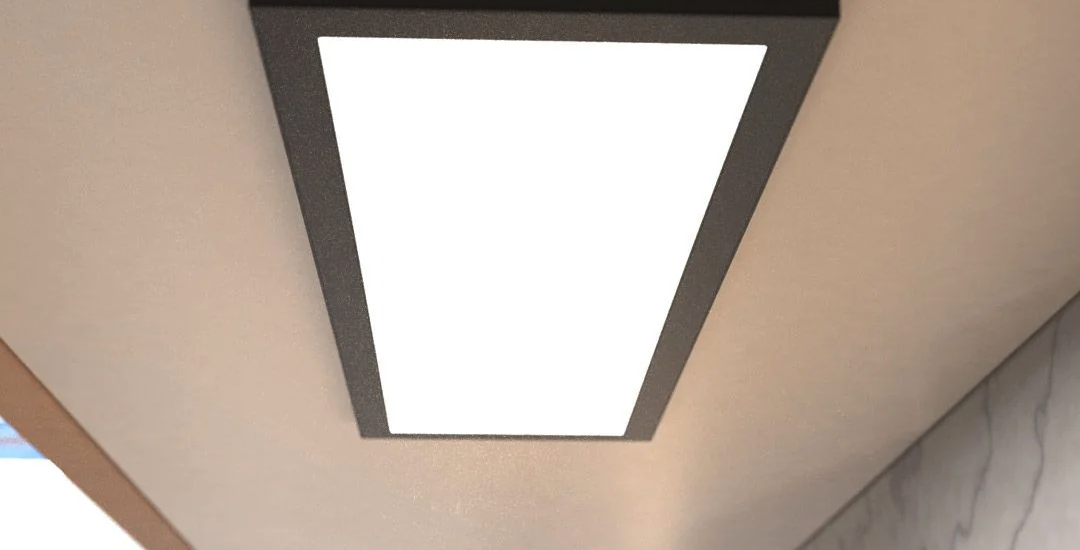
Thinking about a kitchen renovation or just a simple lighting upgrade? A waterproof recessed panel ceiling lamp is a smart choice for your kitchen. It offers a sleek, modern look, provides excellent, even lighting, and, most importantly, is designed to handle the moisture and occasional splashes that are par for the course in any kitchen. This type of fixture integrates seamlessly into your ceiling, offering a clean aesthetic without the bulk of traditional light fixtures. Plus, the “waterproof” part means you don’t have to worry about steam harming your lights, making them a durable and practical option.
Your kitchen isn’t just a place for cooking; it’s a zone of steam, grease, and sometimes, unexpected waterworks. Thinking about lighting Yeebu in this environment requires a bit more foresight than, say, your living room.
The Realities of Kitchen Environments
Imagine boiling a pot of pasta, or the steam from a freshly brewed coffee. These seemingly small things contribute to a humid atmosphere. Over time, this moisture can wreak havoc on standard electrical fixtures. Rust, short circuits, and reduced lifespan are all potential outcomes. A waterproof fixture is built to withstand these conditions, protecting the internal components and ensuring longevity.
Safety First, Always
Electricity and water are a dangerous combination. Using a non-waterproof fixture in a damp environment significantly increases the risk of electrical shock or even fire. Waterproof recessed lights are designed with seals and materials that prevent moisture penetration, dramatically enhancing safety in your kitchen. This peace of mind is invaluable, especially in a home with children or pets.
Longevity and Maintenance Benefits
While the initial cost of a waterproof fixture might be slightly higher, the long-term benefits are substantial. They’re built to last, resisting corrosion and degradation from moisture. This means fewer replacements and less maintenance down the line. You won’t be constantly dusting out little crevices or worrying about the fixture’s internal workings. It just works, reliably.
Understanding Recessed Panel Lighting
Recessed lighting, also known as can lights or pot lights, has been a popular choice for years, and for good reason. It offers a clean, uncluttered look that many homeowners desire.
The Aesthetics of Integration
Recessed lights are designed to be flush with your ceiling, essentially disappearing when not in use. This creates a smooth, uninterrupted ceiling plane, which makes your kitchen feel larger, more open, and more contemporary. Unlike pendant lights or surface-mounted fixtures that hang down, recessed lights keep the visual field clear, allowing other design elements to take center stage.
Even and Efficient Illumination
One of the great advantages of recessed panel lighting, especially when strategically placed, is its ability to provide very even illumination. Rather than a single bright spot, you can distribute light sources across the ceiling to eliminate shadows and ensure every corner of your kitchen is well-lit. This is particularly important for task lighting over countertops and islands, where good visibility is crucial for food preparation.
Types of Recessed Lights
While we’re focusing on panel lights, it’s worth knowing there are a few variations. Traditional recessed cans often use directional bulbs, while panel lights offer a wider, more diffused light. Some recessed lights also offer gimbals, allowing you to tilt the light direction, which can be useful for highlighting artwork or specific areas. For kitchens, a broad, diffused light from panels is often preferred for general ambient lighting.
Key Features to Look for in a Waterproof Recessed Panel
When choosing your waterproof recessed panel, there are several key specifications and features that you should pay attention to. Skipping these details could lead to disappointment or a less-than-optimal solution.
IP Rating: Your Waterproof Scorecard
The IP (Ingress Protection) rating is crucial for any waterproof fixture. It’s a two-digit number. The first digit indicates protection against solids (like dust), and the second digit indicates protection against liquids (like water). For a kitchen environment, you’ll want a fixture with an IP rating of at least IP44, which protects against splashes from any direction. For areas directly above a shower or sink, you might even consider IP65 or IP66 for jet-proof protection. Don’t settle for anything less than what’s suitable for your specific kitchen needs.
Brightness (Lumens) and Color Temperature (Kelvin)
Brightness is measured in lumens. A general rule of thumb for kitchens is to aim for around 30-40 lumens per square foot. However, this can vary based on ceiling height, natural light, and personal preference. Don’t rely solely on wattage, as LED lights are far more efficient.
Color temperature, measured in Kelvin (K), dictates the “warmth” or “coolness” of the light.
- 2700K-3000K (Warm White): Creates a cozy, inviting atmosphere. Good for dining areas or if your kitchen is part of an open-plan living space.
- 3500K-4000K (Neutral White/Cool White): A balanced, versatile light that’s good for task lighting and general kitchen use. It’s bright without being harsh.
- 5000K-6000K (Daylight): Closest to natural daylight, offering excellent clarity and visibility. Ideal for detailed task work, but can feel a bit stark for some.
Consider having a mix, or using dimmers, to adjust the ambiance.
Dimming Capabilities and Smart Features
A dimmer switch is a game-changer for kitchen lighting. It allows you to adjust the brightness to suit different activities – bright for meal prep, softer for late-night snacks or entertaining. Look for fixtures that are “dimmable” and ensure they are compatible with the dimmer switch you plan to use (e.g., LED compatible dimmers).
Beyond dimming, some modern recessed panels offer smart features:
- Color Changing (RGBW): Allows you to adjust not just brightness but also the color of the light, adding a fun element for parties or mood lighting.
- Connectivity (Wi-Fi/Bluetooth): Control your lights with an app on your phone, set schedules, or integrate them with smart home assistants like Alexa or Google Home.
- Tunable White: Adjust the color temperature from warm to cool, allowing you to fine-tune the light for different times of day or tasks.
Ease of Installation and Construction Materials
While ideally an electrician handles installation, understanding the ease of installation can help you determine potential labor costs. Look for fixtures designed for straightforward retrofitting into existing can lights, or for new construction, ones with clear mounting instructions.
As for materials, durability is key. Stainless steel or high-quality plastic housings will resist corrosion. The diffuser (the part that covers the light source) should be made of a sturdy, impact-resistant material that won’t yellow over time.
Installation Considerations and Best Practices
Installing recessed lighting, especially in a kitchen, often benefits from professional help. However, understanding the process helps you make informed decisions and communicate effectively with your contractor.
Planning Your Lighting Layout
This is arguably the most crucial step. A well-planned layout ensures optimal light coverage and prevents frustrating dark spots.
- Task Lighting Zones: Focus on areas where you perform specific tasks: over the sink, above the stove, and along countertops. These areas need brighter, more focused light.
- Ambient Lighting: Distribute lights to provide general illumination for the entire room. Think about spacing them evenly.
- Accent Lighting (Optional): Sometimes recessed lights are used to highlight architectural features, artwork, or to wash a wall with light.
- Consider Ceiling Height: Higher ceilings may require more powerful lights or closer spacing to achieve the desired brightness.
- Switching Zones: Plan your wiring so different sets of lights can be controlled independently. For example, have separate switches for task lighting, ambient lighting, and perhaps an island light.
Hiring a Qualified Electrician (Highly Recommended)
While some DIY enthusiasts might tackle recessed lighting, strongly consider hiring a licensed electrician for kitchen installations.
- Safety: They understand electrical codes and can ensure safe wiring practices, minimizing fire and shock hazards.
- Expertise: They can advise on proper circuit loading, dimmer compatibility, and the best placement for optimal results.
- Code Compliance: Kitchens have specific electrical codes. An electrician will ensure your installation meets these requirements, which is important for inspections and insurance.
- Time-Saving: They have the tools and experience to complete the job efficiently and correctly the first time.
Maintenance and Troubleshooting Tips
Waterproof recessed panels are generally low maintenance, but a few tips can keep them running smoothly.
- Regular Cleaning: Periodically wipe down the visible surface of the fixture with a damp cloth to remove grease or dust. Avoid harsh chemicals that could damage the finish or seals.
- Check for Leaks: While waterproof, it’s always good practice to occasionally inspect the area around the fixture for any signs of moisture penetration, especially if you’re experiencing unusual condensation.
- Dimmer Compatibility: If you experience flickering or humming, ensure your dimmer switch is compatible with your LED fixtures. Many older dimmers are not designed for modern LEDs.
- LED Lifespan: LEDs have a long lifespan, but individual diodes can fail. If a fixture starts to dim significantly or individual spots go out, it might be time for a replacement. However, this is usually years or even decades down the line.
Beyond the Kitchen: Other Applications for Waterproof Recessed Lights
While the focus here is the kitchen, the benefits of waterproof recessed panel lighting extend to other areas of your home. If you’re investing in these fixtures, it’s good to know where else they might come in handy.
Bathrooms: The Obvious Second Choice
Bathrooms are another prime candidate for waterproof lighting. Steam from showers and baths creates an even more consistently humid environment than kitchens.
- Shower Enclosures: Specifically designed IP-rated fixtures are perfect for direct placement inside a shower stall, providing critical illumination in what can otherwise be a dimly lit area.
- General Bathroom Lighting: Even outside the shower, having waterproof fixtures throughout the bathroom offers an added layer of protection against general humidity and splashes from sinks.
- Vanity Lighting: While often supplemented by wall-mounted fixtures, waterproof recessed lights can provide excellent overhead illumination for vanity areas.
Laundry Rooms and Utility Spaces
These often-overlooked areas can also benefit greatly from waterproof lighting.
- Washing Machine/Dryer Areas: Accidental spills or leaks from appliances are not uncommon. Waterproof lights provide peace of mind here.
- Utility Sinks: Just like kitchen sinks, utility sinks can be splash zones.
- General Illumination: Laundry rooms can often be damp and sometimes less than perfectly ventilated. Durable lighting is a practical choice.
Basements and Garages
Basements, especially unfinished ones, can be prone to dampness and moisture issues.
- Unfinished Basements: If you’re using your basement for storage or as a workshop, waterproof fixtures are a robust option for general lighting. They can withstand potential leaks or higher humidity levels.
- Finished Basements: Even in a finished basement, particularly if there’s a bathroom or bar area, waterproof recessed lights are a smart choice to mitigate moisture risks.
- Garages: Garages often experience temperature fluctuations and can be damp, especially if vehicles track in water or snow. Waterproof lights are more durable in these conditions. They also stand up better to general dust and grime.
Covered Outdoor Areas
Certain well-covered outdoor spaces can also be suitable.
- Covered Patios/Porches: As long as the area is protected from direct rain, waterproof recessed lights can create a beautiful and functional outdoor living space. They add sophistication without visible fixtures.
- Eaves/Soffits: Lights installed in the eaves or soffits of your home can provide subtle architectural lighting and improve security. These areas are exposed to humidity and sometimes wind-driven rain, so waterproof fixtures are essential.
In conclusion, upgrading your kitchen with waterproof recessed panel ceiling lamps is more than just an aesthetic choice; it’s a practical investment in safety, durability, and a well-lit, modern living space. By understanding the importance of IP ratings, lumens, Kelvin, and proper installation, you can make an informed decision that will brighten your kitchen for years to come. And remember, the benefits don’t stop there – consider these versatile fixtures for other moisture-prone areas of your home too.