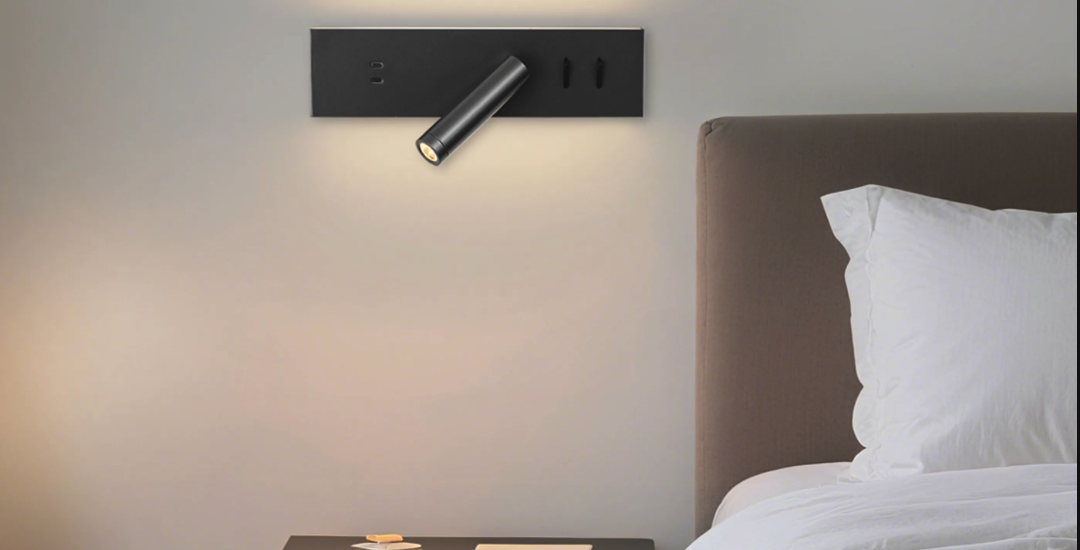
You’re looking to upgrade your bedside setup, and a matte black wall lamp is definitely a smart move. It’s more than just a light source; it’s about creating a cozy, functional, and stylish little nook for yourself. Let’s break down why this particular lamp style is such a good choice and how you can make the most of it.
The Allure of Matte Black for Your Bedside
So, why matte black? It’s gained a lot of traction, and for good reason, especially for something as personal as your bedside.
Aesthetic Versatility: It Just Fits
Matte black isn’t picky. It plays well with pretty much any decor style you’ve got going on.
- Modern Minimalist: Think clean lines, uncluttered spaces. A matte black lamp Omloa adds a touch of sophistication without being too much. It’s present but doesn’t demand attention.
- Industrial Chic: Exposed brick, metal accents – matte black is practically a uniform for this style. It complements the raw, edgy feel perfectly.
- Bohemian Delight: Even with a more eclectic, layered look, a matte black lamp can act as a grounding element, adding a touch of sleekness amidst the vibrant patterns and textures.
- Traditional Touches: Don’t underestimate its power in a more classic setting. It can offer a contemporary edge that keeps the room from feeling dated.
The “Matte” Advantage: Less Glare, More Class
The “matte” finish is key here. Unlike glossy surfaces that can feel a bit harsh or reflective, matte black absorbs light, creating a softer, more diffused glow.
- Reduces Eye Strain: This is a big one for bedside reading. Less glare means a more comfortable experience for your eyes, especially in dim light.
- Subtle Sophistication: It has a low-key elegance. It doesn’t scream for attention but rather offers a refined presence that enhances the overall mood.
- Fingerprint Resistant (Mostly): Let’s be honest, we’re all human. Matte finishes tend to hide fingerprints and smudges better than their shiny counterparts, meaning it stays looking sharp with less fuss.
Durability and Practicality: Built to Last
Beyond looks, matte black finishes are generally quite durable.
- Scratch Resistance: The coating is typically applied in a way that makes it more resistant to minor scratches and scuffs that can happen in an everyday living space.
- Easy to Clean: A quick wipe down with a damp cloth is usually all it takes to keep it looking fresh. No special cleaners required.
- Timeless Appeal: Trends come and go, but matte black has a staying power that suggests it won’t feel outdated in a year or two.
Functionality First: How Wall Lamps Elevate Your Bedside
A wall lamp isn’t just about illumination; it’s about creating a dedicated space and enhancing your daily routines.
Decluttering Your Nightstand: Space Saving Genius
This is perhaps the most obvious benefit, but it’s a significant one.
- Reclaim Surface Area: Your nightstand is precious real estate. Having a lamp mounted on the wall frees up that space for your book, a cup of tea, your phone, or even just breathing room.
- A Cleaner Aesthetic: Fewer items on the nightstand contribute to a more organized and visually appealing bedroom. It feels less cluttered and more serene.
- Easy Access: You can reach your light switch without fumbling over a pile of items. This is especially appreciated in the dark or when you’re groggy.
Targeted Lighting: For Reading and Relaxation
Wall lamps offer a level of control that many other bedside lights lack.
- Focused Beam for Reading: Many wall lamps, especially those with adjustable arms or shades, are designed to direct light precisely where you need it – your book or e-reader. This is crucial for comfortable reading without disturbing someone else.
- Mood Setting: The ability to direct light can also be used to create ambiance. A gentle upward glow can diffuse light, while a downward beam can be more intimate.
- Task Lighting: Beyond reading, think about where else you might need a little light. Perhaps for applying lotion, taking medication, or finding your way around without turning on the main room light.
Adjustability: Your Light, Your Way
The best wall lamps offer flexibility.
- Articulating Arms: Lamps with adjustable arms (often called swing-arm or gooseneck) are fantastic. You can bend and position the light precisely where you want it, then tuck it away when not in use.
- Swivel Shades: Some lamps allow you to tilt or swivel the shade, further refining the direction of the light.
- Dimmer Options: If you want to really dial in the mood, consider a wall lamp with a built-in dimmer or pair it with a dimmable bulb. This allows you to go from bright reading light to a soft, ambient glow.
Types of Matte Black Wall Lamps to Consider
Not all wall lamps are created equal. Here are some popular styles that come in that desirable matte black finish.
The Classic Sconce: Simple Elegance
This is a very common and versatile option.
- Up and Down Lights: Some sconces emit light upwards and downwards, creating a lovely wash of light on the wall.
- Single Direction: Others have a more focused beam, either up or down. These are great for directional task lighting.
- Shade Options: You’ll often find them with simple cylinder or box shades, or sometimes with just a bare bulb for a more minimalist or industrial look.
The Articulating Arm Lamp: Maximum Flexibility
If adjustability is your top priority, look no further.
- Swing-Arm: These lamps feature one or more joints in the arm, allowing you to extend, retract, and angle the light source.
- Gooseneck: Similar to swing-arms, but often with a more flexible, bendable neck that gives you infinite positioning options.
- Integrated LED vs. Bulb: Some come with built-in LED lights, offering a sleek, arm-only design. Others take standard bulbs, giving you more control over the light quality and wattage.
The Plug-In vs. Hardwired Debate
This is a practical consideration for installation.
- Plug-In Lamps: These are your easiest bet if you’re not comfortable with electrical work or are renting. They simply plug into a nearby outlet.
- Cord Management: You’ll need to think about how to conceal the cord to maintain that clean aesthetic. Cord covers, clips, or running it along the baseboard can help.
- Hardwired Lamps: These connect directly to your home’s wiring.
- Professional Installation Recommended: While it can create a cleaner look with no visible cords, it usually requires an electrician.
- Integrated Switches: Many hardwired lamps have a switch directly on the fixture, which can be very convenient.
Special Features to Look For
Beyond the basic structure, some lamps offer bonus features.
- USB Charging Ports: This is a game-changer for many. Having a built-in USB port on the lamp means you can charge your phone or tablet right beside your bed without needing an extra adapter or reaching for an outlet.
- Integrated LED Technology:
- Energy Efficiency: LEDs use significantly less energy than traditional incandescent bulbs.
- Long Lifespan: They last for many years, reducing the hassle of frequent bulb replacements.
- Color Temperature Options: You can often find LEDs with different color temperatures, from warm, cozy yellow to cooler, crisp white, allowing you to choose the perfect ambiance.
- Smart Home Compatibility: Some modern wall lamps can be integrated with smart home systems, allowing you to control them via voice commands or an app, and even set schedules.
Placement: Where to Position Your Matte Black Wall Lamp
Getting the placement right is crucial for both function and aesthetics.
Height Matters: Finding the Sweet Spot
The height at which you mount the lamp will significantly impact its usability and how it looks.
- For Reading: Position the light source so that when you’re in your typical reading position (sitting up or leaning back), the light falls directly onto your book or device. This often means mounting it a bit higher than you might think.
- General Illumination: If the lamp is also meant to provide some ambient light, consider mounting it at eye level or slightly above when you’re seated in bed.
- Avoid Glare: Crucially, the height should prevent direct glare into your eyes when you’re lying down. You want the light to illuminate your task without blinding you.
Distance from the Bed: The Comfort Zone
How far out from the wall should the lamp extend?
- Adjustable Lamps: For articulating or swing-arm lamps, this is less of a fixed decision and more about positioning it as needed. You can often pull it closer when reading and push it back when not in use.
- Fixed Lamps: For sconces that don’t extend far, consider the side of the bed it’s on. You’ll want it accessible when you’re in bed but not so far into your personal space that it feels intrusive.
- Clearance for Movement: Ensure the lamp doesn’t obstruct you when you’re getting in or out of bed. You don’t want to be constantly bumping into it.
Symmetry vs. Asymmetry: A Design Choice
Do you go for a balanced look or something more deliberate?
- Symmetrical Setup: Mounting a lamp on each side of the bed creates a classic, balanced, and harmonious look. This is great for couples or for those who like a very ordered bedroom.
- Asymmetrical Approach: Sometimes, one side of the bed might have more space or be used more for reading. Placing a lamp on only one side can be a deliberate design choice that feels intentional and modern. It can also save on cost and installation if budget is a factor.
Installation: DIY vs. Professional Help
This is where practicality really comes into play.
Plug-In Options: The Easiest Route
If you’re not keen on wiring, plug-in lamps are your friend.
- Assembly: Most plug-in lamps are straightforward to assemble. You’ll typically attach the arm, shade, and base.
- Mounting: Ensure you have a secure way to mount the lamp to the wall. This usually involves screws and wall anchors, especially if the lamp has some weight to it.
- Cord Management: This is the biggest consideration.
- Cord Concealers: These adhesive strips come in various colors and can be painted to match your wall. They run along the cord to blend it in.
- Cable Clips: Small, adhesive clips that stick to the wall and hold the cord neatly against the surface.
- Running Along Trim: If possible, you can discreetly run the cord along baseboards or other architectural features.
Hardwired Lamps: For a Seamless Look
This option requires a bit more technical know-how or professional assistance.
- Safety First: Working with electricity can be dangerous. Always turn off the power at the breaker before attempting any hardwiring.
- Locating Wiring: You’ll need to either have existing wiring in the desired location or have an electrician run new wiring.
- Mounting Bracket: Hardwired lamps typically come with a mounting bracket that attaches to the electrical box in the wall.
- Connecting Wires: This involves connecting the wires from the lamp to the wires from your wall (black to black, white to white, and ground to ground).
- Professional Electrician: If you have any doubts whatsoever, hiring an electrician is the safest and often the most efficient way to go. The peace of mind is worth the cost.
Tools You Might Need
Depending on the type of lamp, you might need:
- Screwdriver (Phillips and flathead)
- Drill and drill bits
- Level
- Stud finder (especially if mounting heavier lamps)
- Wire strippers (for hardwired)
- Wire nuts (for hardwired)
- Pencil for marking
Lighting Choices: Bulbs and Ambiance
The light bulb you choose is just as important as the lamp itself.
Bulb Types: Beyond the Incandescent
While incandescent bulbs are familiar, there are better options for wall lamps.
- LEDs: As mentioned, they are energy-efficient, long-lasting, and come in various brightness levels and color temperatures. There’s a good chance they are the best all-around choice.
- CFLs (Compact Fluorescent Lamps): Less common now with the rise of LEDs, but they offer decent energy savings. Some people find their light quality less appealing than LEDs.
- Halogen: A type of incandescent, but more efficient. They produce a bright, crisp light but don’t last as long as LEDs.
Color Temperature: Warm vs. Cool Glow
This dramatically impacts the mood of your room.
- Warm White (2700K – 3000K): This is the most common choice for bedrooms. It has a yellowish, cozy, and inviting hue, similar to traditional incandescent bulbs. It’s perfect for relaxation and winding down.
- Neutral White (3500K – 4000K): This offers a balance, with a slightly less yellow, more natural light. It can be good for task lighting when you need a bit more clarity.
- Cool White/Daylight (5000K+): This is a bluish-white light. It’s excellent for tasks where you need to see fine details or for a very bright, alert atmosphere. It’s generally not recommended for a bedside lamp where relaxation is key.
Brightness (Lumens): Finding the Right Output
Lumens measure the amount of light produced. You don’t need a super bright lamp by your bed.
- Reading Lamps: Aim for bulbs in the 400-800 lumen range. This provides enough light for comfortable reading without being overpowering.
- Ambient Lighting: If the lamp is more for mood, you might opt for something even lower.
- Consider Dimmability: If your lamp is dimmable, you can choose a slightly brighter bulb and then adjust it down to the perfect level.
By considering these aspects, you can transform your bedside into a more functional and stylish sanctuary with a matte black wall lamp. It’s a simple upgrade that can make a surprisingly big difference to your daily comfort and your bedroom’s overall aesthetic.