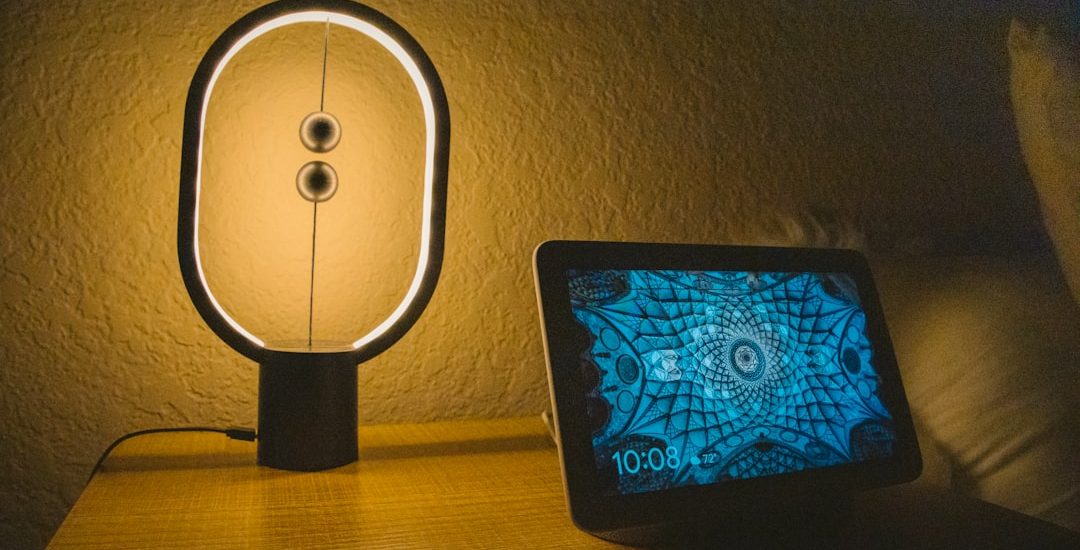
A smart voice-controlled nightstand lamp for kids can be a really practical solution for parents looking to simplify their routines and empower their children. These lamps, often integrated with smart home ecosystems like Google Assistant or Amazon Alexa, allow for hands-free operation of lighting features. This means a child can turn on a comforting night light with a simple voice command, adjust brightness, or even change colors, all without needing to fumble for switches or call for an adult. It’s a step towards independence for them and a little less hassle for you, especially during those late-night wake-ups or bedtime transitions.
Voice control isn’t just a gimmick; it genuinely simplifies interactions, especially for younger children. Think about a sleepy child trying to find a switch in the dark, or a toddler who isn’t quite tall enough to reach.
Enhancing Independence
For kids, the ability to control their own environment, even something as simple as a light, fosters a sense of independence. They learn cause and effect, and that their voice has power. It’s a small but significant step in their developmental journey.
Easing Bedtime Routines
Bedtime can sometimes be a battleground. A voice-controlled lamp can make it a little smoother. Instead of arguing about staying in bed to turn off the light, they can simply say “goodnight light.” This can reduce bedtime anxieties and make the transition to sleep a more positive experience.
Practicality for Parents
Let’s be honest, parents are often multitasking. Having a child able to manage their own light means one less thing on your plate. Whether you’re across the room or dealing with another child, the voice control feature provides an immediate solution without your direct physical intervention. It’s particularly useful for those middle-of-the-night bathroom trips where a quick, audible command can softly illuminate the room without fully waking anyone.
Key Features to Look for in a Smart Voice Control Nightstand Lamp
Not all smart lamps are created equal, especially when it comes to features that are genuinely useful for kids. Knowing what to prioritize can make a big difference in functionality and longevity.
Voice Assistant Compatibility
The most crucial feature is compatibility with your existing smart home ecosystem. If you use Google Assistant, ensure the lamp works seamlessly with it, and likewise for Amazon Alexa. This avoids the need for multiple apps or confusing setups. Some lamps might even offer their own basic voice control, but integration with a major platform generally offers a more robust and responsive experience.
Dimmable and Color-Changing Options
A simple on/off is fine, but for a child’s room, dimming and color changes are much more valuable.
Soft Illumination for Night Wakes
A low, warm light setting is perfect for waking up during the night without shocking their eyes (or yours). This can help them navigate to the bathroom or find a lost toy without fully disrupting their sleep cycle.
Comforting Night Light
Many children prefer a night light. Voice control allows them to turn it on themselves and even adjust its brightness to their preference. Some lamps offer specific “night light” modes, often a very warm, low-intensity light.
Fun and Mood Lighting
Color-changing capabilities can be incredibly engaging for kids. They might enjoy setting a blue light for imaginative play, a red light for a “secret lair” feel, or a soft pink for story time. This adds an element of fun and personalization that a standard lamp simply can’t offer.
Timer and Schedule Functions
Beyond just turning on and off, smart lamps can be programmed to do a lot more.
Gentle Wake-Up Light
Imagine a light that gradually brightens in the morning, mimicking a sunrise. This can be a much gentler way to wake up than a jarring alarm, especially for sensitive sleepers. Voice commands can also schedule this feature.
Automatic Turn-Off for Bedtime
Set the lamp to turn off automatically after a certain period, for example, 30 minutes after bedtime stories. This saves energy and ensures the light isn’t left on all night. This can also be a gentle nudge for older children to understand that playtime is over and it’s time to settle down.
Reading Time Reminders
You could even program the lamp to change to a specific bright reading light during designated reading times, then dim to a softer light when reading time is over, as a gentle visual cue.
Durability and Safety Considerations
When it comes to anything in a child’s room, safety and robustness are paramount.
Child-Safe Materials
Look for lamps made from non-toxic, durable materials. Avoid lamps with small, easily detachable parts that could pose a choking hazard. The base should be stable and not easily tipped over.
Cool-to-Touch LED Technology
LED lights are energy-efficient and, crucially, stay cool to the touch. This eliminates the risk of burns if a child accidentally touches the light source, which is a major concern with traditional incandescent bulbs.
Secure Placement
Ensure the lamp can be placed securely on a nightstand or shelf. Consider models with non-slip bases. While voice control reduces the need for direct interaction, accidents can still happen.
Integration with Existing Smart Home Ecosystems
The real power of a smart voice control lamp comes from its ability to fit into your wider smart home setup.
Compatibility Matters
As mentioned, ensuring compatibility with your voice assistant of choice (Google Assistant or Amazon Alexa) is critical. This means setting up and controlling the lamp through the same app and with the same voice commands you use for other devices.
Grouping and Routines
Once integrated, you can group the lamp with other smart devices in the room. For example, a “Goodnight” routine could dim the lights, turn on a sound machine, and activate a night light setting on the lamp. Similarly, a “Morning” routine could gradually brighten the lamp, open smart blinds, and play gentle music.
Advanced Automation
For older kids or those interested in more tech, you can set up more advanced automations. For instance, if you have smart sensors, the lamp could turn on a dim light if the child gets out of bed in the middle of the night. This kind of integration elevates the lamp beyond a simple light source into a truly intelligent part of the room.
Practical Considerations and Tips for Parents
Bringing a smart lamp into a child’s room involves a little more than just plugging it in. Here are some things to think about.
Setting Up Voice Commands
Keep voice commands simple and easy for your child to remember. For instance, “Hey Google, turn on my lamp” or “Alexa, dim the light to 20%.” You might even be able to set up custom phrases, like “Goodnight, Room.” Practice these with your child so they feel confident using them.
Managing Screen Time vs. Voice Control
While voice control is great, it’s essential to prevent it from becoming a gateway to excessive screen time, especially if the smart assistant is linked to other devices. Emphasize that the lamp is for lighting, not for playing games or extended conversations with the assistant.
Addressing Privacy Concerns
Smart devices generally have microphones that are always listening for their wake word. Discuss with your child (if they’re old enough) about how the device works and address any privacy concerns you may have. Most reputable brands have clear privacy policies. You can usually review and manage recordings of past voice commands through the assistant’s app.
Setting Expectations with Children
Explain to your child what the lamp can and cannot do. Avoid over-promising or making it seem like a toy that can do everything. Frame it as a helpful tool that makes their room more comfortable and helps them with their routine. This manages expectations and prevents disappointment.
Troubleshooting Common Issues
Like any tech, smart lamps can have their moments. Here are some common issues and quick fixes:
Connectivity Problems
If the lamp isn’t responding, check your Wi-Fi connection. Most smart lamps rely on a stable 2.4GHz Wi-Fi network. Restarting your router or the lamp itself can often resolve minor connectivity glitches.
Voice Command Recognition
Sometimes the assistant might misunderstand a command. Encourage your child to speak clearly and at a reasonable pace. Ensure the lamp isn’t too far from where they usually speak, or that loud background noise isn’t interfering.
Software Updates
Occasionally, smart devices require software updates, which can temporarily disrupt functionality. These usually happen automatically but might require you to reconnect the device afterward. Check the lamp’s companion app for any pending updates.
Conclusion: A Bright Idea for Modern Parenting
A smart voice-controlled nightstand lamp isn’t just a gadget; it’s a useful tool that blends technology with everyday practicality in a child’s room. It fosters independence, simplifies routines, and offers a level of convenience that traditional lamps can’t match. By focusing on essential features like voice assistant compatibility, dimmable and color-changing options, and safety, parents can select a lamp that genuinely enhances their child’s space. With thoughtful integration into smart home systems and a clear understanding of its capabilities, it can become a subtle yet significant part of a smoother, more enjoyable home environment for both children and adults.