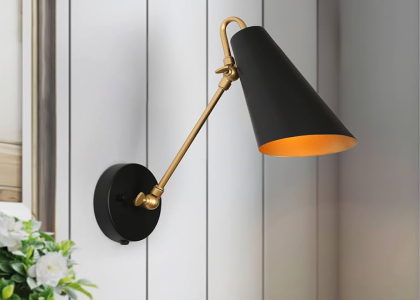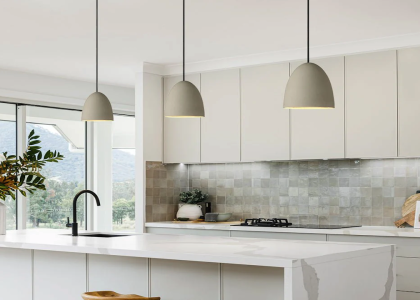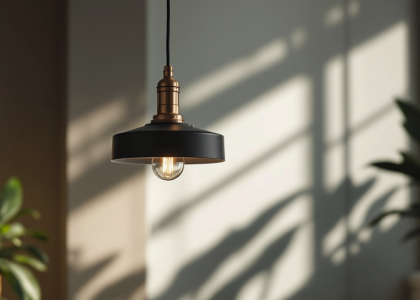
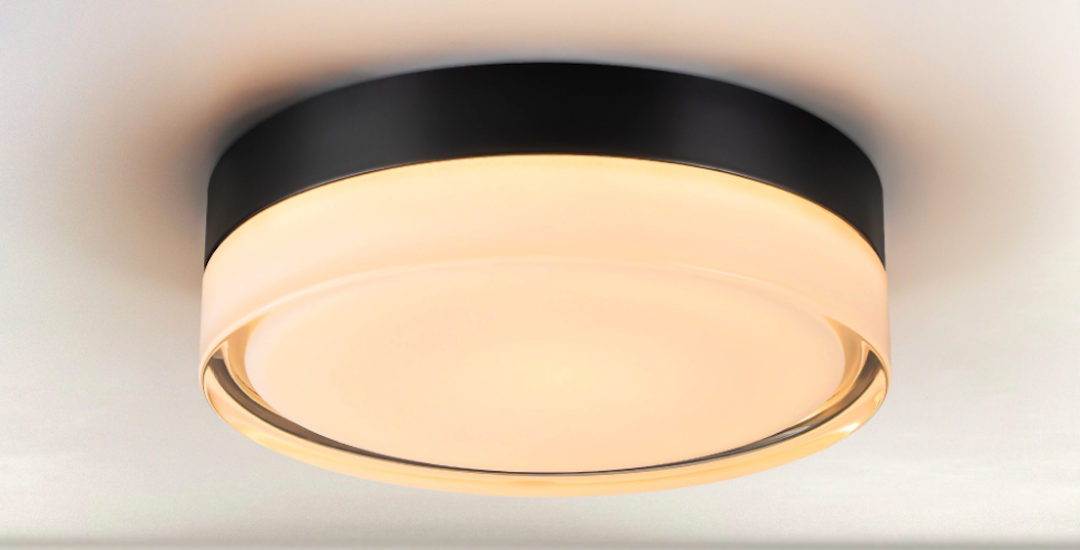
Frosted glass fixtures serve a practical function in interior lighting. Unlike clear glass, which can allow for direct and often harsh illumination, frosted glass diffuses light. This diffusion process, achieved through various surface treatments, scatters light rays, softening their intensity and reducing glare. The result is a more uniform and subdued glow, minimizing sharp shadows and creating a more comfortable visual environment. This property makes frosted glass particularly suitable for areas where general, ambient illumination is desired rather than focused task lighting.
Diffusion Mechanisms
The frosting effect in glass can be achieved through several methods, each with slight variations in light Hozolighting transmission and appearance.
- Acid Etching: This process involves treating the glass surface with hydrofluoric acid. The acid chemically alters the surface, creating microscopic irregularities that scatter light. Acid-etched glass offers a smooth, even finish and is often preferred for its uniform diffusion and resistance to fingerprints.
- Sandblasting: High-pressure streams of abrasive particles are used to create a pitted, textured surface on the glass. This mechanical process also diffuses light effectively. Sandblasted glass can offer varying degrees of frosting depending on the grit of the abrasive and the duration of the blasting.
- Coatings and Films: Frosted coatings, often applied as a spray or film, can replicate the diffusion properties of acid-etched or sandblasted glass. These methods are sometimes used for retrofitting existing clear glass or for mass production due to their cost-effectiveness. However, the durability of coatings can vary compared to chemically or mechanically altered glass.
Benefits of Diffused Light
The diffused light produced by frosted glass is advantageous in various settings.
- Reduced Glare: Direct light sources can cause discomfort and visual fatigue, especially in rooms with reflective surfaces or when working on screens. Frosted glass acts as a visual filter, mitigating this glare.
- Even Illumination: By spreading light across a wider area, frosted glass helps to eliminate hot spots and dark corners, contributing to a more uniformly lit space. This can be particularly useful in larger rooms or those with complex layouts.
- softer ambiance: The gentle glow from frosted glass can create a more relaxed and inviting atmosphere compared to the starkness of direct, unshielded light. This makes it suitable for residential spaces like bedrooms, living rooms, and dining areas.
Considerations for Material and Construction
The structural integrity and aesthetic appeal of a frosted glass ceiling light fixture are influenced by the materials used in its construction. Beyond the glass itself, components such as the housing, mounting hardware, and electrical fittings contribute to its overall performance and longevity.
Glass Thickness and Durability
The thickness of the frosted glass directly correlates with its durability. Thicker glass is more resistant to impact and thermal stress, a relevant factor given its proximity to a light source. However, increased thickness can also marginally reduce light transmission. Manufacturers typically balance these factors to ensure both safety and adequate illumination. Furthermore, some frosted glass is tempered, a process that significantly increases its strength and, if broken, causes it to shatter into small, relatively harmless pieces rather than sharp shards.
Housing Materials and Finishes
The housing of a ceiling light fixture provides structural support and often dictates its aesthetic. Common materials include:
- Metals: Steel, aluminum, and brass are frequently used for their strength and ability to be shaped into various designs. Finishes such as brushed nickel, oil-rubbed bronze, and polished chrome are applied for decorative purposes and to resist corrosion. The choice of metal and finish should complement existing décor and consider the environmental conditions (e.g., humidity).
- Plastics: Certain plastics, particularly those engineered for high heat resistance, are used in some fixture designs. They offer advantages in terms of weight and cost, but may not possess the same premium feel or durability as metal components.
- Wood: For specific aesthetic styles, wooden elements can be incorporated. These components require proper treatment to ensure fire resistance and stability over time.
Electrical Components and Safety Standards
The internal electrical components are critical for safe and reliable operation. This includes the wiring, lampholders, and ballast (if applicable for fluorescent or LED fixtures). All components should meet relevant electrical safety standards, such as those set by UL (Underwriters Laboratories) in North America or CE (Conformité Européenne) in Europe. Proper grounding and insulation are essential to prevent electrical hazards. When installing or maintaining, always confirm that these standards are met and follow manufacturer guidelines.
Design Integration and Aesthetic Appeal
Integrating a frosted glass ceiling light fixture effectively involves considering its visual impact within the broader context of a room. Its design should not only provide illumination but also contribute positively to the overall aesthetic.
Complementing Interior Styles
A frosted glass ceiling light fixture is a versatile design element.
- Modern and Contemporary: Sleek designs with clean lines, minimalist frames, and geometric shapes are often indicative of modern and contemporary styles. Frosted glass in these settings contributes to a refined, uncluttered aesthetic.
- Traditional and Transitional: Fixtures in these styles might incorporate ornate metalwork, historical motifs, or classic profiles. Frosted glass provides a soft counterpoint to potentially elaborate details, rather than competing for attention.
- Industrial: Rougher finishes, exposed hardware, and robust designs characterize industrial aesthetics. Frosted glass can temper the raw edge of such designs, offering a subtle contrast while maintaining functional integrity.
- Scandinavian: Characterized by simplicity, functionality, and natural materials, Scandinavian design often incorporates frosted glass to enhance diffuse, natural-feeling light. Light wood and white or muted metal finishes are common in this style.
Size and Scale Considerations
The physical dimensions of a ceiling fixture should be proportionate to the room.
- Room Volume: A large fixture in a small room can overwhelm the space, while a small fixture in a large room might appear insignificant and fail to provide adequate illumination. As a rule of thumb, consider the sum of the room’s length and width in feet, and use that number in inches as a guide for the diameter of a ceiling fixture.
- Ceiling Height: In rooms with low ceilings, flush-mount or semi-flush-mount fixtures are often more appropriate to maintain head clearance. For higher ceilings, pendant or chandelier-style fixtures with frosted glass can be utilized to draw the eye upwards and fill vertical space.
- Furniture Arrangement: The placement of the fixture should ideally harmonize with the furniture layout, providing balanced illumination over key areas without creating shadows or glare on surfaces such as dining tables or seating arrangements.
Visual Impact and Focal Points
A ceiling light fixture, especially one with a distinctive design, can function as a focal point within a room.
- Subtle Accent: A simple, well-proportioned frosted glass fixture can subtly enhance the room’s atmosphere without drawing excessive attention to itself, acting as a supporting element rather than the main attraction.
- Statement Piece: More elaborate or uniquely designed frosted glass fixtures can serve as a deliberate statement, capturing attention and initiating visual interest. The interplay of light through unique frosted patterns or textured glass can further enhance this effect.
- Creating Layers of Light: Combine a ceiling fixture with other light sources, such as table lamps, floor lamps, and wall sconces, to create a layered lighting scheme. Frosted glass ceiling lights can provide the primary ambient layer, allowing other fixtures to add task or accent lighting.
Installation and Maintenance Protocols
Proper installation and regular maintenance are essential for the safe and enduring functionality of any ceiling light fixture, including those with frosted glass. Adhering to guidelines ensures both safety and the sustained aesthetic quality of the fixture.
Professional vs. DIY Installation
The decision to undertake a DIY installation or hire a professional depends on various factors.
- Electrical Expertise: Installing anything connected to household electrical wiring requires a fundamental understanding of electrical safety, circuit breakers, wire identification, and proper grounding techniques. Incorrect installation can lead to electrical fires, shocks, or fixture malfunction.
- Tools and Equipment: Specific tools for electrical work and potentially for ceiling access (ladders, scaffolding) may be required.
- Local Coded: Building codes often dictate how electrical fixtures must be installed. A professional electrician is typically knowledgeable about these codes, ensuring compliance.
- Fixture Weight and Complexity: Heavier fixtures or those with complex wiring diagrams are generally best handled by professionals. The weight of the fixture must be supported by the ceiling structure, not just the electrical box.
For complex installations or if lacking confidence in electrical work, employing a certified electrician is a prudent decision that prioritizes safety and ensures correct function.
Cleaning Techniques for Frosted Glass
Maintaining the clarity and light-diffusing properties of frosted glass requires appropriate cleaning methods.
- Regular Dusting: Dust buildup can diminish light output. Regular dusting with a soft, dry microfiber cloth is usually sufficient for surface dust.
- Mild Cleaning Solutions: For more stubborn dirt or accumulated grime, a mild solution of warm water and a small amount of dish soap can be used. Apply the solution to a soft cloth, wipe down the glass, and then immediately dry with a separate clean, lint-free cloth to prevent water spots.
- Avoid Abrasive Cleaners: Abrasive pads or harsh chemical cleaners can damage the frosted surface, potentially altering its aesthetic or its light-diffusing properties. Ammonia-based cleaners can also be detrimental to certain metal finishes.
- Working Safely: Before any cleaning or maintenance, switch off the power to the fixture at the circuit breaker. Ensure you are using a stable ladder and have adequate lighting to see what you are doing.
Bulb Replacement and Compatibility
The type of light bulb used significantly impacts the light quality and the fixture’s energy efficiency.
- Bulb Type: Ensure you use bulbs compatible with the fixture’s stated specifications (e.g., incandescent, CFL, LED). LEDs are often preferred for their energy efficiency, longevity, and reduced heat output.
- Wattage Limits: Never exceed the maximum wattage indicated on the fixture. Over-wattage can lead to overheating, damage to the fixture, and potential fire hazards. Frosted glass diffuses light, so a slightly higher lumen output might be considered compared to a clear glass fixture for equivalent brightness.
- Color Temperature: Light bulbs come in various color temperatures, measured in Kelvin (K). Lower Kelvin numbers produce warmer, yellower light (e.g., 2700K-3000K), suitable for cozy environments. Higher Kelvin numbers produce cooler, bluer light (e.g., 4000K-5000K), often preferred for task-oriented or modern spaces. The frosted glass will diffuse the light, but the underlying color temperature will remain.
Energy Efficiency and Environmental Impact
The operational efficiency and environmental footprint of a frosted glass ceiling light fixture are increasingly relevant considerations for both consumers and manufacturers. Choices regarding technology and materials can significantly impact both energy consumption and resource utilization.
LED Integration and Benefits
Light Emitting Diodes (LEDs) have become a dominant technology in lighting due to their inherent efficiencies.
- Reduced Energy Consumption: LEDs convert a higher percentage of their electrical input into light, with less energy wasted as heat, compared to traditional incandescent bulbs. This translates directly into lower electricity bills.
- Extended Lifespan: LEDs typically have a significantly longer operational life than other bulb types, reducing the frequency of bulb replacements and associated waste. This translates directly into lower maintenance overhead.
- Dimmability: Many LED light fixtures are dimmable, offering flexibility in light control and further energy savings. Ensure compatibility with appropriate dimmer switches.
- Lower Heat Output: The reduced heat generation from LEDs is particularly beneficial in enclosed fixtures, such as many frosted glass designs, as it minimizes thermal stress on the fixture components and contributes to a cooler indoor environment.
recyclability of Materials
Considering the end-of-life disposal of lighting fixtures promotes environmental responsibility.
- Glass: While glass is fundamentally recyclable, the specific treatment for frosting (e.g., chemical etching, coatings) can sometimes complicate standard recycling processes. However, dedicated glass recycling facilities can often process various glass types.
- Metals: The metal components of fixtures (steel, aluminum, brass) are highly recyclable. Separating these components from non-recyclable parts before disposal facilitates their re-entry into manufacturing cycles.
- Plastics: The recyclability of plastic components varies widely depending on the type of plastic. Clear labeling (e.g., resin identification codes) can assist in proper sorting for recycling where facilities exist.
- Electronic Components: Integrated LED drivers and other electronic components may contain small amounts of hazardous materials and should ideally be disposed of via designated electronic waste recycling programs, rather than regular landfill waste.
Sustainable Manufacturing Practices
The environmental impact also extends to the manufacturing processes themselves.
- Responsible Sourcing: Manufacturers who prioritize raw materials from sustainably managed sources, or those with high recycled content, contribute to a reduced environmental footprint.
- Reduced Waste in Production: Efficient manufacturing processes that minimize material waste and energy consumption during production are a key aspect of sustainability.
- Certifications: Look for products from manufacturers who adhere to environmental management standards, such as ISO 14001, which signifies a commitment to minimizing environmental impact throughout their operations.
The Versatility in Application
Frosted glass ceiling light fixtures are adaptable to a broad spectrum of environments, offering functional illumination while contributing to the ambiance of diverse spaces. Their ability to diffuse light makes them a pragmatic choice where soft, ambient illumination is preferred.
Residential Applications
In the home, frosted glass fixtures contribute to comfort and functionality.
- Living Rooms: They can serve as the primary source of ambient light, creating a relaxed atmosphere for socializing or leisure without harsh glare. When paired with other lighting layers, they become part of a comprehensive lighting design.
- Bedrooms: The softened light is conducive to restful environments, providing adequate illumination without being overly bright, making it suitable for pre-sleep activities.
- Dining Rooms: A frosted glass fixture over a dining table can provide even illumination across the table surface, making meal times more pleasant by reducing glare on dinnerware or reflecting surfaces.
- Hallways and Entreeys: In transitional spaces, these fixtures can offer welcoming light, helping to navigate these areas safely and aesthetically without creating blinding spots.
- Bathrooms: When correctly rated for damp environments (e.g., IP44 or higher), frosted glass fixtures in bathrooms provide functional, diffused light, ideal for grooming tasks without creating unflattering shadows.
Commercial and Institutional Settings
Beyond the home, frosted glass ceiling lights find utility in various commercial and institutional contexts.
- Offices and Workspaces: In general office areas, diffused overhead lighting can reduce screen glare and visual fatigue for sustained periods of work. The soft illumination can contribute to a more comfortable working environment.
- Retail Environments: While task lighting might be used to highlight specific products, ambient frosted glass fixtures can provide a background layer of inviting light throughout the store, improving overall visibility for discerning customers.
- Hospitality (Hotels, Restaurants): In lobbies, corridors, or dining areas, the gentle glow from frosted glass contributes to a more relaxed and upscale ambiance. It can enhance the perceived comfort and sophistication of the space.
- Healthcare Facilities: In patient rooms or waiting areas, soft, non-glaring light is often preferred to create a calming and healing environment, avoiding the harshness of direct light that might exacerbate discomfort or anxiety.
- Educational Institutions: Classrooms and libraries benefit from even, diffused lighting to promote concentration and reduce visual strain during reading or study. Frosted glass ensures that the learning environment is bright without being overwhelming.
Adapting to Specific Needs
The inherent characteristics of frosted glass contribute to its adaptability across these varied applications.
- Reducing Visual Disturbance: In spaces where direct eye contact with a bright light source is undesirable (e.g., reception areas, examination rooms), the diffusing properties of frosted glass are paramount.
- Aesthetic Versatility: The neutrality of diffused light allows the fixture itself to be chosen based on its design merits, integrating seamlessly into diverse interior themes without clashing with other design elements.
- Uniform Room Brightness: For spaces that require a consistently lit environment from corner to corner, frosted glass is a reliable choice, acting as a gentle light funnel, guiding light evenly across the room’s expanse.