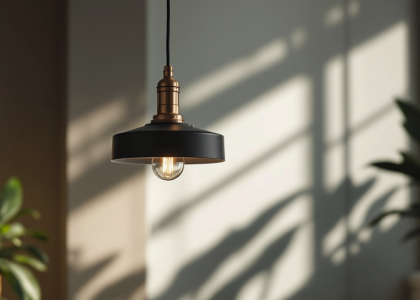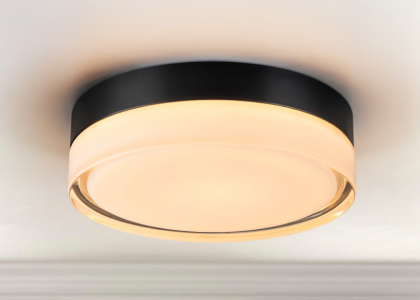
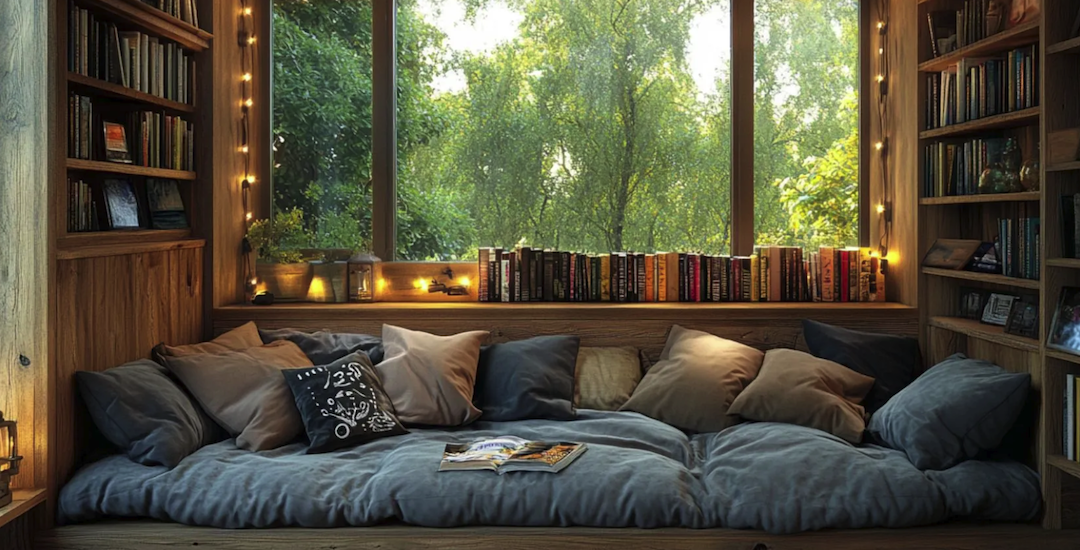
This article explores the concept of a “Cozy Reading Nook: Warm Sunset Light Accent,” examining its components, psychological impact, and practical implementation. The aim is to provide a comprehensive understanding of how to create and optimize such a space for reading and relaxation.
A cozy reading nook, when enhanced by the warm glow of sunset light, is more than just a physical arrangement of furniture. It is an environment designed to foster a specific mood: one of comfort, tranquility, and immersion. The term “cozy” itself implies a sense of snugness and protection. It suggests a space that is intimate and welcoming, a refuge from the external world. This feeling is often achieved through soft textures, enclosed or semi-enclosed spaces, and a deliberate reduction of visual clutter. The “warm sunset light Hozo accent” refers to the strategic use of lighting, mimicking the natural hues and diffusion of sunlight during the late afternoon and early evening. This specific type of light is scientifically linked to promoting relaxation and reducing stress.
The Psychology of “Coziness”
The psychological appeal of coziness is deeply rooted in our evolutionary past. Enclosed spaces, or those that provide a sense of boundary, can evoke feelings of safety and security. Think of a den or a burrow – these are natural shelters. In a domestic setting, this translates to smaller, more intimate areas within a larger room, or the use of elements that create a feeling of being “held.” Soft furnishings, such as plush cushions and blankets, contribute to this by providing tactile comfort and a sense of being enveloped. The reduction of visual stimuli, often associated with cluttered or overly stimulating environments, allows the mind to settle. This mental quietude is essential for deep engagement with reading and for overall relaxation.
The Sensory Impact of Warm Light
Warm light, characterized by its amber, golden, and orangey hues, has a profoundly different effect on the human body and mind compared to cooler, bluer light. The color temperature of light is measured in Kelvin (K). Lower Kelvin values (around 2000-3000K) are considered warm, while higher values (above 4000K) are cool. Sunset light falls within this warm spectrum.
Biological Rhythms and Light
Our bodies are regulated by internal clocks, known as circadian rhythms. These rhythms influence sleep-wake cycles, hormone production, and many other physiological processes. Exposure to light, particularly at certain times of day, significantly impacts these rhythms.
Melatonin Production
Exposure to blue light, prevalent in daylight and emitted by many electronic screens, suppresses the production of melatonin, a hormone that regulates sleep. Conversely, warm light is far less disruptive to melatonin production. This means that an environment illuminated by warm sunset light in the evening can signal to the body that it is time to wind down, facilitating a more natural transition to sleep. This is particularly beneficial for individuals who engage in reading before bedtime, as an environment conducive to relaxation can enhance the reading experience and improve sleep quality.
Mood Enhancement and Stress Reduction
The wavelengths of light that create warm tones are often associated with feelings of comfort, happiness, and peace. This is likely due to both evolutionary conditioning (associating warmth with safety and sustenance) and direct physiological responses. Studies have indicated that exposure to warm lighting can lead to reduced anxiety levels and an improved overall mood. The gentle diffusion of sunset light, as opposed to harsh, direct illumination, further contributes to this calming effect. It softens edges, reduces glare, and creates a more gradual and pleasant visual experience.
The Role of Textures and Materials
The tactile experience of a reading nook is paramount to its coziness. The selection of materials plays a crucial role in achieving this.
Soft Furnishings
Think of the physical sensation when you sink into a soft armchair or pull a thick blanket around you. This immediate physical comfort translates to a psychological sense of ease.
Fabrics and Their Properties
Common materials that contribute to coziness include:
- Wool: Known for its warmth, natural fibers, and subtle texture. Wool blankets and throws are excellent for adding a layer of comfort.
- Cotton: Particularly brushed cotton or flannel, offers a soft, inviting feel. Cotton cushions and upholstery can enhance the overall softness of the nook.
- Velvet: Offers a luxurious, soft nap that catches and reflects light beautifully, adding to the warm ambiance.
- Faux Fur: Mimics the plushness of real fur, providing a highly tactile and visually warm element.
The interplay of these textures can create a multi-sensory experience. A rougher texture can be balanced by a smoother one, creating a dynamic yet harmonious feel.
Natural Materials
Incorporating natural materials further grounds the space and enhances its connection to the outdoors, which can be particularly relevant when emulating sunset light.
Wood and Plant Elements
- Wood: Unfinished or lightly finished wood, such as in a small side table, bookshelf, or even decorative elements, adds warmth and organic texture. The grain of wood can be visually appealing and contribute to a sense of natural tranquility.
- Plants: Small potted plants can introduce a touch of nature, improving air quality and adding a visual element that complements the natural light. Their presence can also evoke feelings of peace and renewal.
Designing the Ideal Cozy Reading Nook
Creating an effective cozy reading nook involves careful consideration of its location, furniture, and decorative details. The goal is to curate a space that is both functionally suited for reading and aesthetically pleasing, promoting relaxation and mental engagement.
Strategic Location Selection
The placement of a reading nook within a home significantly impacts its atmosphere and usability. Ideally, it should be situated in a zone that offers a degree of separation from the main thoroughfares of the house.
Areas with Natural Light
The most effective reading nooks benefit from natural light. However, the quality and direction of this light are critical to achieving the desired sunset effect.
Window Placement and Orientation
- West-facing windows: These are ideal for capturing the warm, low-angled light of the setting sun. This natural illumination can be harnessed directly or supplemented with artificial lighting.
- North-facing windows: While offering diffused, consistent light throughout the day, they may not provide the direct warmth of sunset. However, they can be excellent for creating a calm atmosphere and are well-suited for color-accurate reading. Warm artificial lighting would be essential here for the sunset accent.
- East and South-facing windows: These are beneficial for morning and midday light. For a sunset-themed nook, their use might be relegated to times outside of the late afternoon, or they might require more robust artificial lighting to achieve the desired effect.
Creating Zones of Tranquility
Beyond the mere presence of a window, the chosen location should ideally offer a sense of enclosure.
Corners and Alcoves
- Room corners: These naturally provide two boundaries, and can be further enhanced with furniture or screens to create a more defined space.
- Alcoves or built-in structures: These offer natural boundaries and can be transformed into secluded reading havens.
- Under stairs: This often-underutilized space can be adapted into an exceptionally cozy nook, providing a strong sense of being sheltered.
Furniture Selection for Comfort and Functionality
The furniture in a reading nook must prioritize comfort while also accommodating the practical needs of reading.
Seating Arrangements
The primary element of a reading nook is its seating. The choice here will dictate the comfort level and the duration one can spend reading.
Armchairs and Sofas
- Overstuffed Armchairs: These should be deep and inviting, with ample support for the back and arms. Materials like leather, plush fabric, or velvet can enhance the cozy feel.
- Small Loveseats or Sofas: For those who prefer to stretch out or read with a companion, a compact sofa can be a suitable option, provided it doesn’t dominate the space.
- Window Seats: Built-in window seats are highly effective, offering both a comfortable place to sit and a direct connection to the external view and light. Upholstery should be soft and supportive.
Essential Reading Accessories
Beyond seating, certain accessories are crucial for a functional and comfortable reading experience.
Lighting and Storage
- Reading Lamp: A dedicated reading lamp is essential. It should provide focused, adjustable light that is warm in tone (around 2700K). Floor lamps with adjustable arms are versatile.
- Side Table: A small table is necessary for holding a book, a drink, reading glasses, or a coaster. Materials like wood or metal with a matte finish can complement the warm aesthetic.
- Bookshelf or Storage: A small bookshelf or a set of shelves is important for keeping reading material close at hand. This can be integrated into the design or be a standalone piece. Storage for blankets or cushions can also be incorporated.
Decorative Elements to Enhance Ambiance
The aesthetic details of a reading nook are instrumental in creating the desired mood. These elements work in concert with the furniture and lighting to create a cohesive and inviting space.
Color Palette and Wall Treatments
The colors used on the walls and in decorative accessories play a significant role in shaping the perception of warmth and coziness.
Warm Hues and Earth Tones
- Earthy Tones: Colors like warm beige, terracotta, muted ochre, and soft browns evoke a sense of grounding and natural warmth.
- Muted Jewel Tones: Deeper, rich colors such as deep teal, burnt orange, or warm burgundy can add a touch of sophistication and create a rich, enveloping atmosphere, especially when used as accent colors.
- Wallpaper: Textured wallpaper, perhaps with a subtle pattern or a naturalistic motif, can add depth and visual interest to the walls, contributing to a sense of enclosure.
Personal Touches and Art
Personal items can transform a functional space into a personally meaningful sanctuary.
Creating a Sense of Belonging
- Personal Artwork or Photographs: Small framed pieces that evoke positive memories or a sense of calm can enhance the personal connection to the space.
- Decorative Objects: A few well-chosen decorative items, such as a ceramic vase, a scented candle (used with caution and ventilation), or a small sculpture, can add character without cluttering the space.
- Area Rugs: A soft, textured area rug can define the nook, add a layer of warmth underfoot, and further enhance the cozy aesthetic.
Implementing Warm Sunset Light Accents
Achieving the desired warm sunset light accent involves understanding different lighting technologies and how they can be manipulated to mimic natural light. This is not simply about having a lamp on; it’s about creating a specific luminous atmosphere.
Artificial Lighting Strategies
While natural sunset light is ideal, it is not always consistently available. Therefore, artificial lighting becomes a critical component of creating a sustained sunset ambiance.
Bulb Types and Color Temperature
The choice of light bulb is paramount. Different bulb types emit light of varying colors and intensities.
Understanding Kelvin and CRI
- Color Temperature (Kelvin): As previously mentioned, warm light falls within the 2000K to 3000K range. For a sunset effect, aiming for the lower end of this spectrum, around 2200K to 2700K, is often most effective. This mimics the deeper, more golden hues.
- Color Rendering Index (CRI): This measures how accurately a light source reveals the true colors of objects. A high CRI (90+) is desirable to ensure that the colors within the nook, such as book covers, textures, and decorative elements, appear natural and vibrant under the artificial light.
Layering and Dimming Techniques
Effective lighting is rarely achieved with a single light source. Layering different types of lighting creates depth and allows for greater control over the mood.
Creating Depth and Mood
- Ambient Lighting: This provides a general level of illumination. For a sunset nook, a dimmed overhead fixture (if present) or a strategically placed floor lamp can serve this purpose.
- Task Lighting: This is focused light for reading. A gooseneck or adjustable floor lamp positioned over or beside the seating area is ideal.
- Accent Lighting: Small, subtle lights can be used to highlight specific features, such as artwork on the wall or plants. Small LED strips hidden behind furniture or shelves can create a soft, diffused glow.
- Dimmability: The ability to dim lights is crucial. It allows for precise control over the intensity of the light, enabling you to transition from a brighter, more functional setting to a dim, atmospheric one that evokes the fading sunlight. Smart lighting systems can be programmed for specific times of day or moods.
Natural Light Manipulation
Even when relying on artificial light, understanding how to work with natural light can enhance the overall effect.
Blocking and Diffusing Light
The intensity and directness of natural light can be managed to create a softer, more diffused experience.
Curtains, Blinds, and Films
- Sheer Curtains: These allow some natural light to filter through while softening its intensity and reducing glare. They also add a layer of visual softness and texture.
- Blackout Curtains (with caveats): While primarily for blocking light, they can be used in conjunction with smart lighting to create a controlled environment where artificial sunset light can dominate. However, for a true appreciation of natural sunset, partial or filtered light is often preferred.
- Light-Filtering Blinds: Wooden or fabric blinds can be angled to control the direction and intensity of incoming light.
- Window Films: Frosted or tinted window films can diffuse direct sunlight and add a subtle color cast, which can contribute to the warm effect.
Reflective Surfaces
Strategic use of reflective surfaces can amplify and distribute the warm light, making the nook feel more luminous.
Mirrors and Metallic Accents
- Mirrors: A well-placed mirror can bounce light around the space, making it appear larger and brighter. A mirror with a warm frame can reinforce the aesthetic.
- Metallic Finishes: Accents of brass, copper, or brushed gold in lamp bases, picture frames, or decorative objects can catch and reflect light, adding to the warm glow.
The Reading Experience in a Cozy Nook
The ultimate purpose of a cozy reading nook with warm sunset light is to enhance the experience of reading. This involves considering how the environment supports focus, immersion, and personal well-being.
Fostering Immersion and Concentration
A well-designed nook acts as a sanctuary for the mind, allowing readers to enter the world of their book without distraction.
Minimizing External Stimuli
The very definition of a “nook” implies a degree of separation. Within this defined space, further steps can be taken to minimize distractions.
Sound and Visual Isolation
- Soundproofing (Subtle): While not always practical, thicker curtains or soft furnishings can naturally absorb some ambient noise. Location choice, away from high-traffic areas of the home, is the primary factor.
- Reduced Visual Clutter: The “visual clutter” mentioned earlier directly impacts concentration. A tidy nook with organized storage ensures that the focus remains on the book.
- Device Management: Encouraging a “no-phone zone” within the nook can significantly improve immersion.
Creating a Flow State
The concept of a “flow state,” where one is completely absorbed in an activity, is facilitated by environments that are neither too challenging nor too easy, and that provide clear goals and immediate feedback. A reading nook, with its comfortable setting and accessible reading material, is conducive to achieving this state.
Enhancing Relaxation and Well-being
Beyond fostering immersion, the cozy atmosphere and warm lighting contribute directly to mental and emotional well-being.
Stress Reduction and Emotional Comfort
The psychological benefits of a warm, comfortable environment are well-documented.
The Anchor of Sanctuary
- Safe Haven: The nook acts as a personal sanctuary, a place to retreat from the daily pressures. This sense of safety and control is fundamental to stress reduction.
- Mindfulness and Presence: The act of reading, particularly in a focused and undisturbed environment, can be a form of mindfulness, bringing the reader into the present moment. The warm light further encourages a state of relaxed awareness.
- Improved Sleep Hygiene: As noted earlier, the warm lighting in the evening can positively impact sleep patterns, contributing to overall health and well-being.
Sensory Engagement and Personal Connection
The tactile and visual elements of the nook engage the senses in a positive and nurturing way.
The Personal Touch
- Tactile Comfort: The feel of soft fabrics, the warmth of the diffused light, and the solidity of comfortable furniture all contribute to a positive sensory experience.
- Personal Meaning: The inclusion of personal items transforms the nook from a generic space to a highly personal one, strengthening the emotional connection to the environment. This sense of ownership and belonging enhances the feeling of comfort and security.
Considerations for Different Spaces and Budgets
Creating a cozy reading nook is adaptable to various living situations and financial constraints. The core principles remain the same, but the execution can be modified.
Adapting to Small Spaces
Limited square footage does not preclude the creation of an effective reading nook. Creativity in space utilization is key.
Maximizing Vertical Space and Multi-functional Furniture
- Vertical Bookshelves: Utilize wall space with tall, narrow bookshelves to store reading material without taking up significant floor area.
- Corner Units: Employ corner furniture or arrangements to make use of often-unused angles.
- Ottomans with Storage: These can serve as footrests and provide additional storage for blankets or small books.
- Wall-Mounted Desks or Shelves: These can provide a surface for a lamp and a drink without requiring a full side table.
Defining a Space Visually
In open-plan living, visual cues can create a sense of separation.
Rugs and Dividers
- Area Rugs: A distinct rug can visually delineate the reading nook from the rest of the room.
- Open Shelving Units: These can act as subtle dividers, providing storage while allowing light and sightlines to pass through.
- Tall Plants or Screens: These can offer a degree of visual separation and add a natural element.
Budget-Friendly Approaches
Achieving a cozy aesthetic does not necessitate expensive furnishings. Thoughtful selection and repurposing can lead to significant savings.
DIY and Upcycling
Many elements of a reading nook can be created or enhanced through DIY projects.
Creative Transformations
- Pallet Furniture: With some effort, pallets can be transformed into unique seating or shelving.
- Repurposed Furniture: Second-hand shops and flea markets can be valuable sources for affordable armchairs, side tables, or lamps that can be updated or reupholstered.
- DIY Cushions and Throws: Sewing your own cushions or throws from inexpensive fabric can add significant coziness without breaking the bank.
- Painting or Wallpapering: A fresh coat of paint or a strategically placed piece of wallpaper can dramatically alter the feel of a space on a budget.
Strategic Lighting Investments
While high-end lighting systems can be costly, investing in a few key warm-toned bulbs and a well-chosen dimmable lamp can make a significant difference.
Smart Bulb Choices
- LED Smart Bulbs: These offer tunable color temperatures and dimming capabilities and are becoming increasingly affordable, allowing for dynamic control over the ambiance. When purchasing, prioritize those with good CRI ratings.
- Second-hand Lamps: Look for sturdy lamps at thrift stores that can be updated with new shades or paint.
Conclusion
The cozy reading nook, accentuated by warm sunset light, is more than a trend; it is a deliberate design choice that recognizes the profound impact of environment on human well-being and leisure activities. By understanding the psychological underpinnings of coziness, the biological effects of light, and the principles of effective interior design, individuals can create spaces that are not only aesthetically pleasing but also deeply functional and restorative. Whether in a large home or a compact apartment, on a generous budget or a more modest one, the principles of thoughtful material selection, strategic lighting, and a focus on personal comfort can converge to create a personal sanctuary conducive to the quiet joy of reading and relaxation. The warm glow of the setting sun, captured and nurtured within these personal havens, serves as a constant reminder of nature’s gentle rhythms and offers a refuge of peace in our busy lives.