The pendant lamp, a luminaire suspended from the ceiling by a rod, chain, or cord, has a history intertwined with the development of artificial lighting. Early forms, though rudimentary, served as practical light sources. As technology progressed from open flames to incandescent bulbs and beyond, the pendant lamp evolved in form and function. Its transformation into a design element, rather than solely a utility, gained momentum in the 20th century.
From Utility to Design Object
Initially, pendant lights were largely utilitarian. Crude oil lamps, and later gaslights, were often suspended to cast their limited light over a wider area. The advent of electricity and the incandescent light bulb in the late 19th century provided designers with unprecedented freedom. The enclosed nature of an electrical fixture meant materials previously deemed unsuitable due to fire risk could now be employed.
Mid-Century Modern Influence
The mid-20th century, particularly the era of Mid-Century Modern design, saw a significant surge in the pendant lamp’s aesthetic development. Designers like Poul Henningsen, Achille Castiglioni, and George Nelson experimented with new materials and forms, challenging traditional notions of lighting. Their creations often featured sculptural qualities, innovative light diffusion techniques, and a deliberate interplay between light and shadow. This period established the pendant lamp as a statement piece, capable of defining a space.
Technological Advancements and Material Innovation
The latter half of the 20th century and the early 21st century brought further innovation. The widespread adoption of energy-efficient light sources, particularly LEDs, offered designers even greater freedom regarding fixture size, heat dissipation, and creative light output. New manufacturing techniques, such as 3D printing and advanced metal fabrication, allowed for complex geometries and intricate detailing previously impossible to achieve. Materials like recycled plastics, concrete, and composite resins also became viable options, expanding the artistic palette available to designers.
Defining the “Contemporary Art Gallery Style”
When considering the “Contemporary Art Gallery Style” in pendant lighting, one conceptualizes fixtures that transcend mere illumination. These lamps often function as sculptural installations, elements that contribute to the overall aesthetic and narrative of a meticulously curated space. The principles that govern lighting in art galleries – emphasis on the artwork, subtle yet effective illumination, and a refined aesthetic – are translated into the design of these pendants.
Minimalist Aesthetics and Clean Lines
A hallmark of this style is a commitment to minimalism. Designs frequently feature clean lines, geometric forms, and an absence of superfluous embellishment. The intention is to create a visual impact through form and material rather than ornate detailing. This allows the pendant to integrate seamlessly into a contemporary environment without visually cluttering the space.
Materiality and Texture
The choice of materials is central to defining the aesthetic. Rather than brightly colored or highly polished finishes, there is often a preference for natural, raw, or subtly textured materials. Examples include brushed metals (brass, steel, aluminum), frosted or clear glass, concrete, ceramics, dark woods, and even specialized textiles. The inherent qualities of these materials, such as their reflective properties or their interaction with light, are often integral to the design.
Sculptural and Architectural Presence
Many contemporary art gallery style pendants possess a strong sculptural presence. They are designed to be viewed as three-dimensional objects, engaging with the surrounding architecture. This might manifest as an imposing scale, an unusual silhouette, or a dynamic interplay of multiple elements. The pendant may intentionally draw the eye, becoming a focal point in itself.
Strategic Illumination and Ambiance
Beyond their visual form, these pendants are designed for specific lighting effects. The light output is often controlled and directional, aimed at highlighting particular areas or objects without creating harsh glare. The quality of light, whether warm or cool, diffused or concentrated, is meticulously considered to contribute to the desired atmosphere of a space. They are not merely light sources but rather instruments for crafting ambiance.
Key Design Principles
The creation of a modern pendant lamp in the contemporary art gallery style adheres to several fundamental design principles. These principlesguide the designer in balancing aesthetics, functionality, and the overall impact of the fixture within a given environment.
Form Follows Function (with a Twist)
While the enduring principle of “form follows function” remains relevant, in this context, “function” extends beyond mere illumination. The function also encompasses the emotional and aesthetic impact the lamp has on the space. The form, therefore, serves both practical lighting needs and artistic expression. For example, a pendant designed to cast diffuse light may achieve this through a unique shade material, where the material itself becomes a key aesthetic feature.
Negative Space and Visual Weight
Contemporary design often employs negative space – the empty areas around and between objects – as a deliberate compositional element. Pendants designed in this style might utilize open frameworks, slender profiles, or translucent materials to create a sense of lightness and transparency. The visual weight of the fixture is carefully considered to ensure it feels balanced within the room. A large pendant might be designed with minimal material density to avoid overwhelming the space.
Monochromatic or Limited Color Palettes
Color plays a subdued yet critical role. Designers often opt for monochromatic palettes (shades of grey, black, white) or severely limited color schemes. This approach allows the form, material, and light itself to take precedence. When color is introduced, it is typically through subtle tones, natural material hues, or as an intentional contrast element rather than a dominant decorative feature.
Integration with Architecture and Interior Design
A key principle is the seamless integration of the pendant lamp with the surrounding architecture and interior design. The fixture should not appear as an isolated object, but rather as an integral component of the holistic design scheme. This involves considering the ceiling height, room dimensions, existing finishes, and the overall style of the space when selecting or designing a pendant. The pendant should enhance, not detract from, the architectural elements.
Innovation in Light Source and Diffusion
The evolution of light sources has enabled unprecedented creativity in light diffusion. Designers explore various methods to shape, soften, or direct light. This might involve nested diffusers, integrated reflectors, specialized lenses, or the utilization of the material itself as a light-shaping element. The objective is to achieve a desired quality of light, whether it’s a focused beam, a gentle glow, or a dynamic play of light and shadow.
Materials and Finishes
The selection of materials and finishes is a crucial step in conveying the “Contemporary Art Gallery Style” aesthetic. These elements contribute significantly to the visual and tactile qualities of the pendant lamp.
Metals: Brushed, Powder-Coated, and Patinated
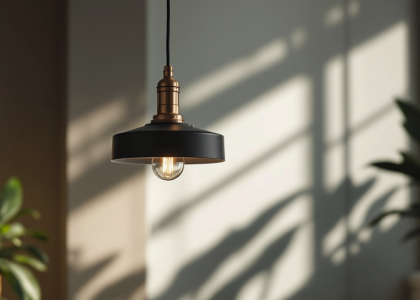
Metals are a prominent choice. Brushed finishes on brass, stainless steel, or aluminum offer a subtle sheen and depth without being overly reflective or ostentatious. Powder-coating, often in matte black, white, or various shades of grey, provides a durable, uniform finish that emphasizes form. Patinated metals, such as oxidized copper or brass, introduce unique textures and evolving color characteristics over time, adding a sense of history and organic beauty.
Glass: Clear, Frosted, and Sculptural
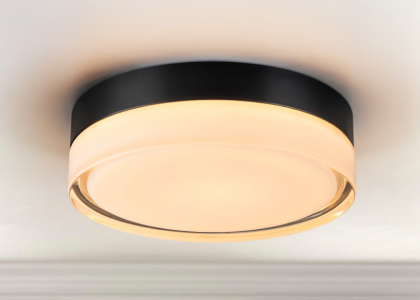
Glass, in its various forms, offers versatility. Clear glass allows the light source itself to be a design element, or it can encase intricate internal structures. Frosted or etched glass diffuses light softly and evenly, creating a gentle ambiance suitable for broad illumination. Sculptural glass, often hand-blown, transforms the pendant into an art object, with its unique imperfections and forms becoming central to its appeal.
Sustainable and Unexpected Materials
Contemporary design increasingly incorporates sustainable and unconventional materials. Recycled plastics, often processed to create unique textures or translucent properties, demonstrate a commitment to environmental responsibility. Concrete, with its industrial aesthetic and earthy tones, provides weight and a raw, unfinished look. Felt, cork, and various wood species (often in darker, unvarnished finishes) introduce warmth and organic texture, contrasting against more industrial elements.
Importance of Finish Quality
Regardless of the chosen material, the quality of the finish is paramount. Flawless surfaces, precise joins, and meticulous detailing are expected. Imperfections can detract significantly from the minimalist aesthetic. Matte finishes are frequently preferred over high-gloss, as they reduce glare and allow the form and material to be appreciated without distraction.
Placement and Application
The effective integration of modern pendant lamps in the contemporary art gallery style extends beyond their individual design. Their placement and application within a space are critical to achieving the desired aesthetic and functional outcomes.
Focal Point Illumination
One primary application is to serve as a focal point. A single, large-scale pendant or a carefully composed cluster of smaller pendants can draw the eye and anchor a space. In a living room, this might be above a coffee table; in a dining room, centrally over the dining table. The lamp becomes a visual anchor, much like a significant artwork would be displayed in an exhibition space.
Task Lighting with Aesthetic Merit
While primarily aesthetic, these pendants also fulfill task lighting requirements. In a kitchen, a series of identical pendants might illuminate an island or breakfast bar, providing functional light for food preparation while contributing to the overall design. In a home office, a focused pendant could provide direct light for reading or working, integrated within a minimalist setting. The key is that the functional illumination is delivered with an uncompromising commitment to design.
Layering Light for Ambiance
Pendant lamps are often part of a broader lighting scheme that layers various light sources to create a rich and adaptable ambiance. They might provide ambient light or a significant visual accent to complement recessed lighting, wall sconces, or floor lamps. This layering allows for flexibility, enabling the user to adjust the mood and functionality of the space by activating different lighting elements.
Architectural Enhancement
In certain applications, pendants can be used to emphasize architectural features. A tall, slender pendant might accentuate a double-height ceiling, drawing the eye upwards. A series of pendants might define a pathway or delineate different zones within an open-plan living area, acting as subtle architectural markers without the need for physical partitions.
Commercial and Hospitality Applications
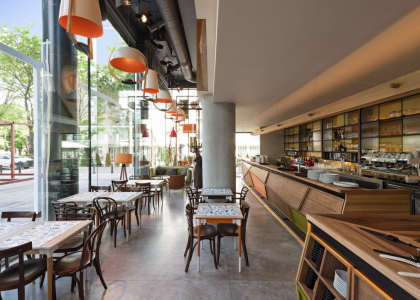
Beyond residential settings, the “Contemporary Art Gallery Style” pendant finds widespread use in commercial and hospitality environments. Boutique hotels, high-end retail stores, and, naturally, art galleries themselves, employ these fixtures to create sophisticated and memorable spaces. The aesthetic qualities translate well into public venues where design is a key component of branding and customer experience. The durability and timeless appeal of these designs make them suitable for high-traffic areas. The careful consideration of scale and finish in such environments contributes to the overall immersive experience for visitors.
By understanding these principles of application and placement, one can effectively utilize modern pendant lamps to transform a space into an environment that echoes the refined and curated aesthetic of a contemporary art gallery.