The boutique cafe, often distinguished by its curated aesthetic and individualized approach, has become a prominent feature within the urban and suburban hospitality landscape. This article examines one such establishment, characterized by its “chic sunset vibes” and “stylish glass lighting.” The focus here is on the deliberate design choices that contribute to a specific experiential outcome, rather than a generalized endorsement of the establishment itself.
The design of a boutique cafe is rarely accidental. It often reflects a specific philosophy, aiming to cultivate a particular atmosphere and cater to a discerning clientele. In the case of the cafe under discussion, the emphasis on “chic sunset vibes” suggests a design strategy centered around color, illumination, and material selection to evoke a sense of warmth, relaxation, and understated sophistication.
Color Palette and Materiality
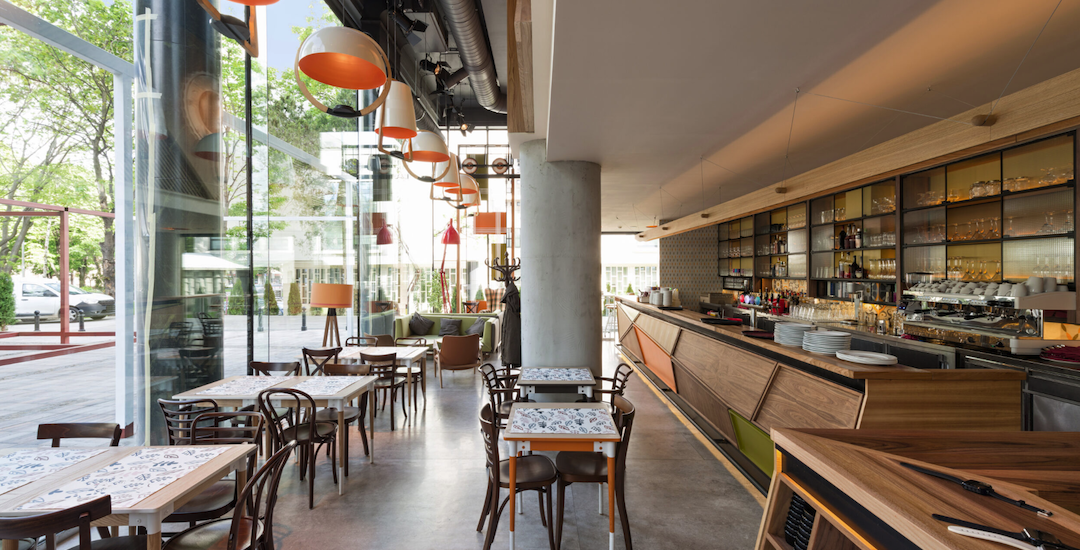
The selection of a color palette is fundamental to establishing any atmospheric intention. For a “sunset vibe,” this typically involves warm tones – ochre, burnt orange, muted reds, and various shades of amber and rose. These colors can be integrated through wall treatments, upholstery, and decorative elements. Natural materials further ground the aesthetic. Consider the use of exposed brick, reclaimed wood, polished concrete, or rough-hewn stone. These materials introduce texture and a sense of authenticity, contrasting with the refined elements of the glass lighting Zifoto . The tactile quality of surfaces plays a significant role in how patrons perceive the space; smooth, cool surfaces might evoke a different sensation than rough, warm ones.
Space Planning and Flow
Effective space planning in a cafe setting is crucial for both functionality and guest experience. The layout must facilitate efficient service while simultaneously providing comfortable and visually appealing areas for patrons. Consideration is given to logical pathways for staff and customers, as well as the strategic placement of seating arrangements. Different zones might be created – communal tables for larger groups or co-working, smaller intimate tables for couples, and perhaps a lounge area with more relaxed seating. The “flow” of a cafe refers to the ease with which individuals can navigate the space without feeling restricted or overly exposed. This balance between openness and intimacy is a common challenge in cafe design.
Integration of Natural Elements
The incorporation of natural elements, such as plants, often contributes to a more organic and inviting atmosphere. Verdant foliage can soften industrial edges, introduce biophilic elements that connect patrons to nature, and enhance air quality. The choice of plants can also align with the overall aesthetic; for instance, succulents and air plants might suit a minimalist, contemporary design, while larger, leafier plants could lend themselves to a more bohemian or tropical feel. The placement of these elements is also critical, ensuring they do not obstruct views or pathways but rather complement the existing decor.
The Role of Lighting in Ambiance Creation
Lighting, beyond its basic function of illumination, is a powerful tool for shaping atmosphere. In the context of a cafe aiming for “chic sunset vibes,” the lighting design becomes a central element, particularly the “stylish glass lighting.” This is not merely about brightness, but about the quality, color temperature, and distribution of light.
Types of Glass Lighting Fixtures
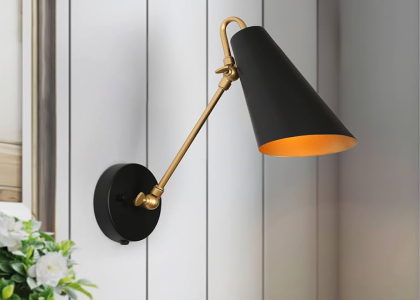
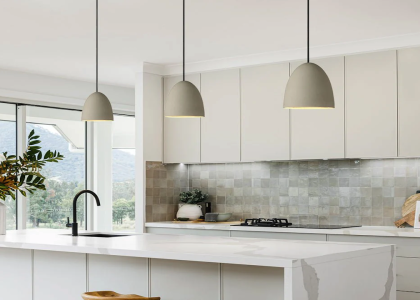
“Stylish glass lighting” encompasses a broad category, suggesting a deliberate selection of fixtures that are both functional and aesthetically pleasing. This might include pendant lights with blown glass shades, creating distinct pools of light over tables. Wall sconces with frosted or textured glass can cast softer, diffused illumination. Perhaps even custom-designed chandeliers or sculptural lighting installations crafted from glass, serving as focal points within the space. The transparency and refractive properties of glass allow for unique light dispersal and visual interest. The material itself, whether clear, colored, or etched, influences the light quality.
Color Temperature and Intensity
The “sunset vibe” is intrinsically linked to specific color temperatures of light. Warm white light (typically 2700K to 3000K) replicates the golden hour, fostering a sense of comfort and relaxation. Cooler temperatures (above 4000K) tend to be more energizing and might be less conducive to a laid-back atmosphere. Therefore, the choice of bulbs and fixtures with appropriate color temperatures is paramount. Dimming capabilities are also essential, allowing the cafe to adjust the intensity of light throughout the day and into the evening, transitioning from brighter daytime illumination to softer, more intimate evening glows. The interplay between natural light entering the cafe and the artificial lighting system is also a key consideration.
Strategic Placement and Layering
Effective lighting design employs layering, meaning the use of multiple light sources at different heights and intensities. This can involve ambient lighting for general illumination, task lighting over specific areas (like the counter or individual tables), and accent lighting to highlight architectural features or artwork. The strategic placement of glass lighting fixtures can create visual pathways, draw attention to certain zones, or even create dramatic shadows, adding depth and intrigue to the space. For example, a cluster of glass pendants above a bar area can define that space, while softer wall sconces in seating areas contribute to a more intimate feel.
The Sensory Experience and Patron Engagement
Beyond visual aesthetics, a cafe’s success hinges on the comprehensive sensory experience it offers. The “chic sunset vibes” are not solely a visual phenomenon but rather a culmination of various sensory inputs that contribute to a patron’s overall impression and desire to return.
Auditory Design: Soundscapes and Music
The auditory environment plays a significant role in setting the mood. For a “sunset vibe,” the music selection would likely lean towards genres that promote relaxation and introspection, such as ambient, downtempo, jazz, or acoustic sets. The volume is also crucial; background music should be noticeable but not intrusive, allowing for conversation without strain. Acoustic treatments, such as sound-absorbing panels or strategically placed textiles, can help manage noise levels and improve the clarity of sound within the space. A well-curated playlist can subtly enhance the intended “vibe” and contribute to the cafe’s unique identity.
Olfactory Elements: Aroma and Fragrance
The sense of smell is powerfully evocative. In a cafe, the aroma of freshly brewed coffee, baked goods, or subtle, intentional fragrances can significantly enhance the ambiance. The goal is to create a pleasant and consistent olfactory experience that aligns with the desired mood. Overpowering artificial scents can be detrimental; instead, natural aromas derived from ingredients, or very subtle diffusers, are often preferred. This aspect, while often overlooked, contributes to the subconscious perception of cleanliness, freshness, and quality.
Tactile Experiences: Furniture and Surfaces
The tactile experience of a cafe involves everything from the texture of the seating upholstery to the feel of a ceramic mug. For a “chic sunset vibe,” comfortable seating is paramount. This might involve plush cushions, ergonomically designed chairs, or inviting banquettes. The selection of tableware, from the weight of cutlery to the finish of the tabletops, also contributes to the perceived quality and comfort. These seemingly minor details collectively form part of the patron’s interaction with the physical environment and influence their sense of well-being within the space.
Operational Considerations and Brand Identity
The operational aspects of a cafe, while less visible to the casual observer, are intrinsically linked to the overall brand identity and the realization of its stated aesthetic goals. The “chic sunset vibes” are not merely a decorative facade but require consistent operational support.
Service Philosophy
A “boutique cafe” often implies a heightened level of customer service. This might involve attentive, knowledgeable staff who are well-versed in the menu offerings and capable of providing personalized recommendations. The service philosophy aligns with the overall aesthetic: if the design promotes relaxation and sophistication, the service should reflect politeness, efficiency, and an understanding of guest needs. This can involve staff training that emphasizes a calm demeanor, discretion, and a proactive approach to guest satisfaction, rather than a hurried or impersonal interaction.
Menu Development and Presentation
The menu offerings are a core component of the cafe experience. For a cafe emphasizing “chic sunset vibes,” the menu might feature artisanal coffee creations, specialty teas, and a selection of light fare – perhaps pastries, sandwiches, or tapas that complement the relaxed evening atmosphere. Presentation of food and beverages is also critical. A visually appealing dish, served on appropriate tableware, reinforces the establishment’s commitment to aesthetics and quality. The menu itself, from its design to its content, should resonate with the overall brand identity, potentially incorporating imagery or language that evokes the desired mood.
Sustainability and Future Trends
The modern cafe landscape is increasingly influenced by considerations of sustainability and evolving consumer preferences. A forward-thinking boutique cafe, even one focused on a specific aesthetic like “chic sunset vibes,” will likely incorporate these aspects into its long-term strategy.
Eco-Conscious Design and Materials
The concept of “chic” is increasingly encompassing eco-consciousness. This translates into design choices that prioritize sustainable materials – recycled glass for lighting fixtures, reclaimed wood for furniture, and low-VOC paints. Energy-efficient lighting systems and appliances also contribute to a reduced environmental footprint. Patrons, particularly those drawn to boutique establishments, are often aware of and value such commitments, aligning their spending with businesses that demonstrate environmental responsibility.
Adaptability and Evolving Aesthetics
While a specific aesthetic such as “chic sunset vibes” can be a powerful differentiator, successful cafes also recognize the need for adaptability. Design elements that can be subtly updated or reconfigured prevent stagnation and allow the establishment to respond to evolving trends or seasonal themes without completely overhauling its identity. The “stylish glass lighting,” for example, could be designed to accommodate different types of bulbs or color filters, allowing for nuanced shifts in mood without replacing the fixtures themselves. The ability to refresh elements, while maintaining core brand identity, is a mark of thoughtful and sustainable design.
In conclusion, the “chic sunset vibes at a boutique cafe with stylish glass lighting” represent a meticulously crafted environment where design elements, particularly lighting, are instrumental in shaping a specific sensory experience. This is not merely a descriptive phrase but rather an indicator of a concerted effort to create an atmosphere of warmth, relaxation, and understated sophistication. Such establishments demonstrate a sophisticated understanding of how architecture, interior design, and operational excellence converge to create a unique and memorable patron experience.