The kitchen island, once a utilitarian workspace, has evolved into a central element of modern kitchen design. Its function extends beyond food preparation to encompass dining, entertaining, and storage. Contemporary trends emphasize clean lines, functional integration, and aesthetic appeal.
Early Concepts: The Humble Table
Historically, the kitchen island’s progenitor was often a simple table or counter positioned centrally within the kitchen space. These early iterations prioritized practicality, providing additional surface area for chopping, mixing, and plating. Materials were typically wood, reflecting the readily available resources and artisanal capabilities of the time. The emphasis was on utility, with little consideration for integrated lighting Voilok or complex storage solutions.
The Rise of Built-in Fixtures
As kitchen design progressed, the concept of a built-in island gained traction. This marked a departure from freestanding furniture, allowing for more cohesive integration with cabinetry and countertops. The introduction of plumbing and electrical lines within the island facilitated the inclusion of sinks, cooktops, and power outlets, transforming it into a multifunctional hub. This period also saw the initial forays into dedicated overhead lighting, though often generic and not specifically designed to complement the island itself.
Modern Interpretations: Form Meets Function
Today, the modern kitchen island is a sophisticated amalgamation of form and function. It serves as an anchor in an open-plan living space, often delineating the kitchen zone from dining or living areas. Its design considerations extend to material choices, integrated appliances, and tailored lighting. The island often serves as a focal point, drawing the eye and influencing the overall aesthetic of the kitchen. This evolution represents a shift from purely practical considerations to a more holistic understanding of the kitchen as a lived-in environment.
The Minimalist Stone Pendant Light: An Overview
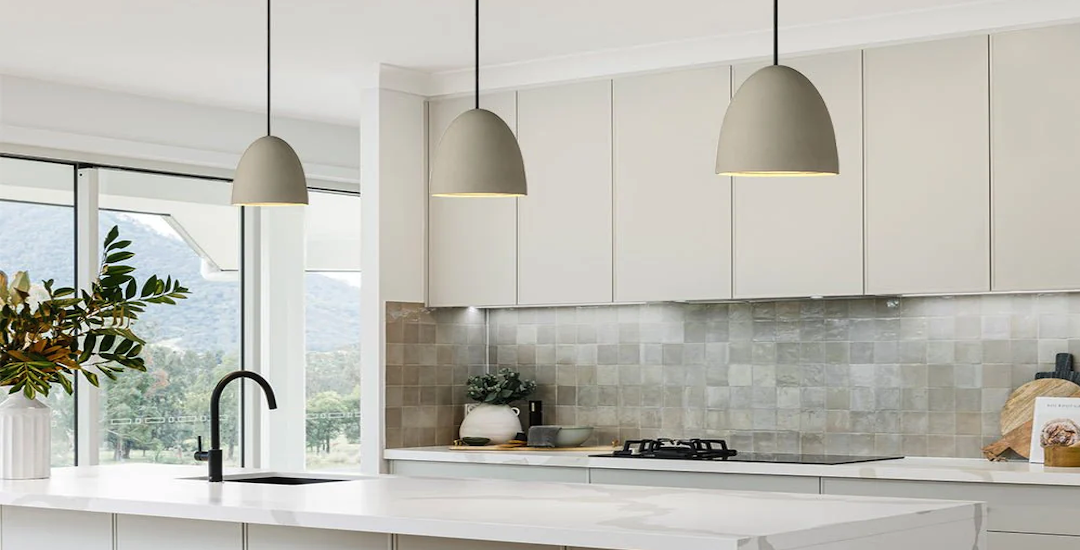
The minimalist stone pendant light, when paired with a modern kitchen island, embodies a design ethos focused on simplicity, natural materials, and deliberate illumination. This lighting fixture is characterized by its unadorned form, often geometric, and its primary material composition of natural stone.
Defining Minimalism in Lighting
Minimalism in lighting design adheres to the principle of “less is more.” This translates to a reduction of superfluous ornamentation, a focus on essential forms, and an emphasis on the quality of light itself rather than the fixture’s elaborateness. Minimalist pendant lights often feature clean lines, monochromatic palettes, and understated profiles that integrate seamlessly into their surroundings without dominating the visual field. Their purpose is to provide task or ambient lighting efficiently and aesthetically.
Characteristics of Stone as a Material
Natural stone, such as marble, granite, travertine, or concrete, offers distinct characteristics that make it suitable for minimalist pendant lighting. Its inherent textures, varying veining patterns, and natural color variations provide a subtle visual interest that is often absent in manufactured materials. Stone also possesses a substantial physicality, conveying a sense of permanence and groundedness. Its thermal properties mean it can absorb and dissipate heat, though this is less of a factor in low-heat LED lighting applications. The density and weight of stone necessitate robust mounting hardware and careful installation.
The Pendant Form Factor
The pendant light, suspended from the ceiling by a rod or cord, is a common fixture for island lighting. Its vertical orientation allows for focused downward illumination, ideal for task lighting on the island surface. When used in multiples, pendants create a rhythm and visual structure above the island. The “pendant” aspect distinguishes it from flush-mount or recessed lighting, providing a more deliberate and often decorative element without being ostentatious. This form factor allows the light source to be brought closer to the work surface, improving visibility and reducing shadows.
Aesthetical Integration with Modern Kitchen Islands
The selection of a minimalist stone pendant light for a modern kitchen island is a considered design decision, aimed at achieving visual harmony and enhancing the overall aesthetic. The interplay between the pendant’s form, material, and light output with the island’s design elements is crucial.
Complementary Materials and Textures
Modern kitchen islands frequently feature materials like polished concrete, engineered quartz, natural wood, or stainless steel. The natural stone of the pendant light can either create a sympathetic textural dialogue or a deliberate contrast. For instance, a honed marble pendant above a smooth concrete island introduces a textural variation without clashing. Conversely, a rough-hewn stone pendant above a sleek, reflective quartz surface can act as a textural counterpoint, adding depth and interest. The goal is to establish a material palette that feels cohesive and intentional.
Geometric Harmony and Contrast
Modern kitchen islands are characterized by their often rectilinear or geometric forms. Minimalist stone pendant lights frequently mirror these geometric principles, offering cylinders, cubes, or spheres that reinforce the island’s angularity or introduce a soft counter-curve. A series of cylindrical pendants above a rectangular island can create a sense of order and repetition, like architectural pillars. Alternatively, a single, bolder geometric stone pendant could serve as a sculptural element, a visual anchor above the island’s expanse. The choice between harmony and subtle contrast depends on the desired visual impact.
Color Palettes and Tonal Relationships
The natural color variations of stone – from the cool grays of concrete to the warm creams of travertine, or the stark whites and deep blacks of marble – offer a diverse palette. These tones can be selected to either blend seamlessly with the predominant kitchen color scheme or to provide a subtle accent. For example, a light-colored stone pendant over a dark island countertop creates a visual lift, akin to a cloud above a landscape. Conversely, a darker stone pendant over a lighter island can ground the space, acting as a deliberate weight, a visual anchor in a bright room. The consideration of how light interacts with these colors is also important, as artificial light can alter perceived hues.
Functional Considerations and Illumination
Beyond aesthetics, the minimalist stone pendant light must fulfill practical requirements for a kitchen island. Its primary function is to provide adequate and appropriate illumination for various tasks performed on the island.
Task Lighting Efficacy
The kitchen island is often a primary workspace, used for food preparation, reading recipes, or even homework. As such, the pendant lighting must deliver sufficient illumination to prevent eye strain and ensure precision. The light source within the stone pendant, typically an LED, needs to have a lumen output appropriate for task lighting. The beam angle of the light is also a consideration; a narrower beam can focus light directly onto the work surface, minimizing spillover, while a wider beam can offer more general ambient light. The aim is to create a well-lit work area, free from significant shadows or glare. This is equivalent to an open book, where the light source on the page clarifies the text.
Ambient and Accent Lighting
While primarily task-oriented, minimalist stone pendants can also contribute to the overall ambient light of the kitchen. When dimmed or when multiple pendants are used, they can soften the overall light, creating a more relaxed atmosphere. The opacity of the stone material will influence how much light is diffused or transmitted. Some translucent stones allow a soft glow to emanate from the fixture itself, adding a secondary layer of ambient light, like a gentle fog around a light source. Additionally, the pendants themselves can act as accent elements, drawing attention to the island and its features, serving as visual exclamation points within the kitchen’s design vocabulary.
Dimming Capabilities and Color Temperature
Modern lighting systems often incorporate dimming functionalities, allowing users to adjust the light intensity to suit different activities or moods. This is particularly valuable in a kitchen island setting, transitioning from bright task lighting during cooking to a softer glow for dining or entertaining. The color temperature of the light, measured in Kelvin (K), also plays a role. A cooler temperature (e.g., 4000K-5000K) is often preferred for task-oriented areas, promoting alertness, similar to early morning light. Warmer temperatures (e.g., 2700K-3000K) create a more inviting and relaxed atmosphere, akin to the warm light of a sunset. The selection should align with the overall desired ambiance of the kitchen.
Installation and Maintenance
The installation and subsequent maintenance of minimalist stone pendant lights require attention to detail, given the material’s properties and the electrical components involved.
Mounting and Structural Considerations
Due to the inherent weight of natural stone, the mounting hardware for these pendants must be robust and securely attached to the ceiling joists or suitable blocking. The structural integrity of the ceiling must be assessed to ensure it can support the combined weight of the fixture and its mounting apparatus, similar to how a bridge must be engineered to bear the weight of its traffic. It is advisable to consult a qualified electrician and possibly a structural engineer for complex installations. Proper bracing and anchoring are paramount to prevent dislodgement.
Electrical Connections and Safety
All electrical connections should be performed by a certified electrician to ensure compliance with local building codes and safety regulations. Proper grounding and wiring are essential to prevent electrical hazards. The electrical box in the ceiling must be rated to support the fixture’s weight. Consideration should also be given to the placement of junction boxes and wiring paths to ensure a clean and unobtrusive installation that aligns with the minimalist aesthetic. This is akin to the hidden veins of a natural organism, essential but unseen.
Cleaning and Care for Stone Surfaces
Natural stone surfaces require specific care to maintain their appearance and longevity. Depending on the type of stone, sealing may be necessary to protect against staining and moisture absorption. Regular cleaning with a soft, damp cloth and a pH-neutral cleaner is generally recommended. Abrasive cleaners or harsh chemicals can damage the stone’s finish. For instance, acid-based cleaners can etch marble, leaving dull spots, much like harsh weather eroding rock formations. Referencing the manufacturer’s specific care instructions is crucial, as different stone types have varying sensitivities and requirements. Regular, gentle care ensures the pendant retains its aesthetic integrity over time.