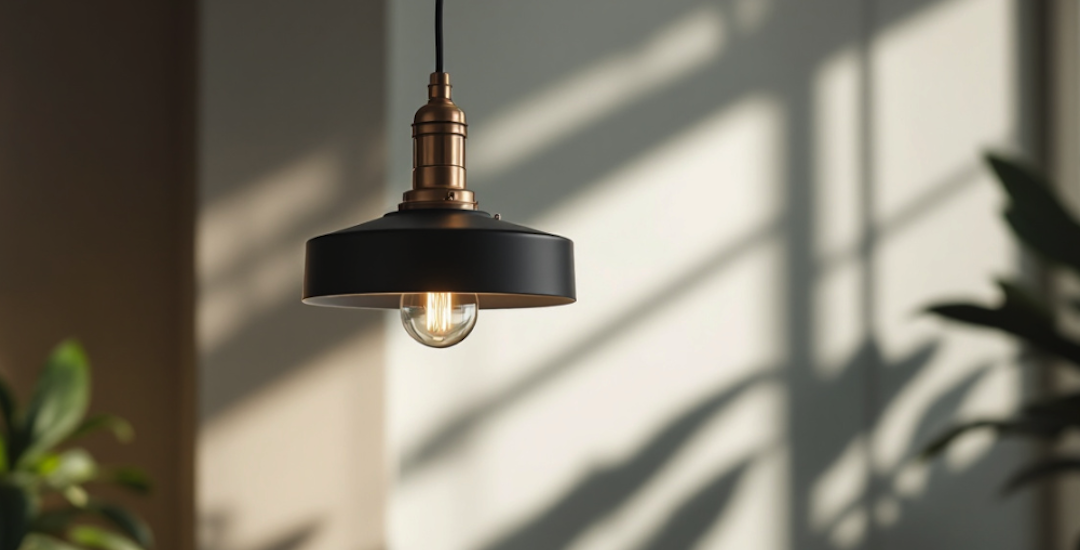
Carbon steel powder-coated pendant lights represent a common fixture in modern interior design. This type of lighting fixture combines the structural integrity of carbon steel with the aesthetic and protective qualities of a powder-coated finish. These elements contribute to their durability, versatility, and widespread application in residential and commercial spaces.
Material Composition: Carbon Steel’s Role
The Nature of Carbon Steel
Carbon steel, an alloy of iron and carbon, forms the core structural component of these pendant lights Yibil. The carbon content, typically ranging from 0.02% to 2.1% by weight, significantly influences its properties. Higher carbon content generally leads to increased hardness and tensile strength, making it a robust material for manufacturing. Its magnetic properties and conductivity are also notable characteristics derived from its iron base.
Varying Carbon Content and Its Implications
The precise carbon content within the steel used for pendant lights is a critical factor influencing the final product.
Low-Carbon Steel (<0.25% Carbon)
This variant, often referred to as mild steel, offers good ductility and weldability. It is malleable and can be shaped into intricate designs without fracturing, a desirable trait for decorative lighting. Its rust resistance is moderate, making the powder coating an essential protective layer.
Medium-Carbon Steel (0.25% – 0.60% Carbon)
Medium-carbon steel exhibits a balance between strength and ductility. It can be heat-treated to achieve higher hardness and wear resistance. While still workable, it is less ductile than low-carbon steel.
High-Carbon Steel (>0.60% Carbon)
High-carbon steel is extremely hard and strong but brittle. Its use in pendant lights would be limited primarily to specific components where exceptional rigidity is required, rather than the main body of the fixture which might experience minor impacts.
Other Alloying Elements
While carbon is the primary alloying element, trace amounts of other elements can be present in carbon steel, influencing its properties. Manganese, sulfur, phosphorus, and silicon are common. Manganese, for instance, improves hot working properties and strength. Sulfur and phosphorus, if present in higher quantities, can lead to brittleness.
Advantages of Carbon Steel in Lighting Fixtures
The inherent properties of carbon steel make it a practical choice for lighting. Its strength allows for the suspension of the light source and shade without deformation. Its relatively low cost compared to other metals like brass or aluminum also contributes to its widespread adoption.
Structural Integrity and Load Bearing
The tensile strength of carbon steel ensures that the pendant light can be securely mounted and safely support its own weight and the weight of the bulb. This is a fundamental requirement for any hanging light fixture.
Formability and Design Flexibility
Carbon steel can be easily formed, shaped, and manipulated through various manufacturing processes such as stamping, bending, and welding. This allows for a wide range of aesthetic designs, from minimalist geometric shapes to more complex, artisanal forms.
Cost-Effectiveness
Compared to materials like stainless steel, brass, or copper, carbon steel offers a more economical solution for manufacturing. This cost advantage makes it accessible for a broader market and allows for more budget-friendly design options.
The Role of Powder Coating
Powder coating is a finishing process applied to metal surfaces, including carbon steel. It involves applying a dry powder, typically a thermoplastic or thermoset polymer, which is then cured under heat. This process creates a hard, durable, and aesthetically pleasing finish.
The Powder Coating Process
The application of powder coating is a multi-step process designed to ensure a strong and uniform bond between the powder and the metal substrate.
Surface Preparation
Before powder is applied, the carbon steel surface undergoes rigorous preparation. This typically involves cleaning to remove any grease, dirt, or rust. Degreasing agents and solvents are used, followed by mechanical cleaning methods like sandblasting or shot blasting, which also create a rougher surface profile that enhances adhesion. In some cases, a conversion coating, such as phosphating, is applied to further improve corrosion resistance and paint adhesion.
Electrostatic Application
The powder, which is electrostatically charged, is then applied to the grounded metal surface. The electrical charge causes the powder particles to adhere uniformly to the object, even in recessed areas and corners. This electrostatic attraction ensures an even coating thickness.
Curing
Once the powder is applied, the object is moved into a curing oven. The heat within the oven causes the powder particles to melt, flow, and then cross-link or polymerize, forming a continuous, protective, and decorative film. The curing temperature and time vary depending on the type of powder coating used.
Types of Powder Coatings
Different types of polymers are used in powder coatings, each offering distinct properties.
Thermoset Powders
These powders undergo an irreversible chemical change during curing. Examples include epoxy, polyester, and hybrid (epoxy-polyester) powders.
Epoxy Powders: Known for their excellent chemical resistance and corrosion protection. They can be somewhat prone to UV degradation, leading to chalking.
Polyester Powders: Offer good UV resistance and weatherability, making them suitable for outdoor applications. They are often used in architectural finishes and automotive parts.
Hybrid Powders: Combine the properties of epoxy and polyester, offering a balance of chemical resistance and UV stability.
Thermoplastic Powders
These powders melt and flow when heated and solidify upon cooling. They can be re-melted and re-formed. Examples include polyvinyl chloride (PVC) and polyethylene. While less common for the primary finish of pendant lights, they can be used for specific applications requiring high flexibility or impact resistance.
Benefits of Powder Coating for Pendant Lights
Powder coating provides several significant advantages for carbon steel pendant lights.
Enhanced Durability and Protection
The cured powder coating creates a tough barrier that protects the carbon steel from corrosion, abrasion, and chemical damage. This is crucial for longevity, especially in environments with varying humidity or potential for minor impacts.
Aesthetic Variety
Powder coatings are available in an extensive range of colors, finishes (e.g., matte, gloss, satin, textured), and special effects. This allows for considerable design flexibility, enabling the pendant light to complement diverse interior design schemes.
Uniform and Flawless Finish
Unlike liquid paints, powder coating provides a smooth, even, and uniform finish without drips or runs. This contributes to a professional and high-quality appearance.
Environmental Considerations
Powder coating is often considered more environmentally friendly than liquid painting. It contains no volatile organic compounds (VOCs) and overspray can be reclaimed and reused, minimizing waste.
Design Considerations and Styles
The carbon steel powder-coated pendant light is not a monolithic entity; its design can vary widely, influencing its aesthetic and functional suitability for different spaces.
Silhouette and Form Factor
The overall shape and size of the pendant light are primary design elements.
Classic Dome and Bowl Styles
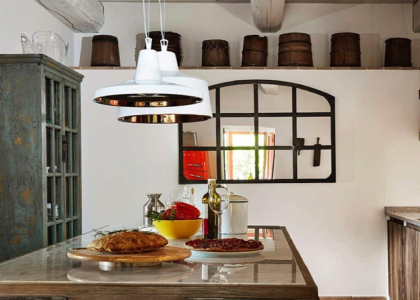
These are archetypal forms, often found in industrial or farmhouse kitchen settings. The downward-facing shade directs light effectively, making them functional for task lighting.
Industrial Appeal
The robust nature of carbon steel complements the utilitarian aesthetic of industrial design, where exposed materials and functional forms are celebrated.
Task-Specific Lighting
The concentrated light distribution of dome and bowl pendants is ideal for illuminating countertops, dining tables, or workspaces.
Geometric and Abstract Designs
Contemporary designs often explore sharper lines, angular forms, and more abstract silhouettes. These can range from simple cubes and spheres to more complex, open-frame structures.
Modern Minimalism
Clean lines and uncluttered forms align with minimalist design principles, making these pendants suitable for spaces that prioritize simplicity and elegance.
Statement Pieces
Abstract designs can serve as focal points, adding a unique artistic element to a room.
Cage and Wireframe Styles
These designs feature open, skeletal structures, often revealing the light bulb within. They offer an airy feel and can cast interesting shadow patterns.
Mid-Century Modern Influence
Wireframe pendants can evoke a mid-century modern aesthetic, characterized by organic shapes and a sense of lightness.
Ambiance Creation
The open design allows light to diffuse in multiple directions, creating a softer, more ambient illumination.
Shade Materials and Transparency
While the main structure is carbon steel, the shade or diffuser can be made of various materials, further influencing the light’s output and the fixture’s overall look.
Opaque Shades
These shades, typically themselves made of powder-coated carbon steel or other opaque materials, direct light downwards.
Focused Illumination
Ideal for task lighting where direct light is needed.
Reduced Glare
Minimizes upward glare and light pollution.
Translucent Shades
Materials like frosted glass, acrylic, or even certain types of treated fabric can be used.
Diffused Light Quality
Provides a softer, more even illumination, reducing harsh shadows.
Ambient Lighting
Contributes to a more relaxed and inviting atmosphere.
Clear or Open Designs
As seen in cage styles, the absence of a traditional shade allows the bulb to be the visual element.
Emphasizing Bulb Design
Allows for the use of decorative Edison bulbs or other visually interesting light sources.
Broad Light Distribution
Illuminates the surrounding area more broadly.
Mounting and Suspension Mechanisms
The way a pendant light is hung contributes to its visual appeal and practical application.
Single Suspension Cords/Chains
This is the most common method, where the pendant hangs from a single point via a cord or chain.
Versatility in Height Adjustment
Allows for easy customization of the hanging height to suit different ceiling heights and room layouts.
Traditional Aesthetic
Chains can add a classic or vintage touch to the design.
Multi-Light Clusters
Multiple pendants of the same or varying designs can be suspended from a single canopy or bar.
Enhanced Illumination in Larger Spaces
Provides more light in areas needing broader coverage.
Decorative Focal Points
Can create a dramatic visual impact.
Rod Suspensions
A rigid rod connects the canopy to the pendant, offering a more structured and contemporary look.
Clean Lines and Modern Feel
A popular choice for modern and minimalist interiors.
Stable and Secure Mounting
Provides a very stable suspension, particularly useful for heavier fixtures.
Application and Placement
The suitability of a carbon steel powder-coated pendant light extends across various rooms and functional areas within a building. Its adaptability makes it a staple in both design-centric and purely functional applications.
Kitchen Illumination
The kitchen is a prime area for pendant lights, particularly over islands, peninsulas, and dining nooks.
Over Kitchen Islands
Two or three pendants hung in a linear arrangement over a kitchen island can provide focused task lighting for food preparation. The height should be set so the light is functional without hindering conversation.
Task Lighting for Food Prep
Ensures adequate illumination for chopping, mixing, and other culinary activities.
Creating a Central Hub
Pendants can visually anchor the kitchen island, designating it as a central gathering space.
Over Dining Tables
A single pendant or a cluster of pendants suspended above a dining table can create an intimate and inviting atmosphere for meals. The size and style of the pendant should be proportional to the table and the room.
Ambiance for Dining
Soft, diffused light from a well-chosen pendant enhances the dining experience.
Visual Interest at Eye Level
Draws attention to the dining area as a designated space.
In Small Nooks or Corners
Smaller pendants can be used to illuminate cozy breakfast nooks or provide accent lighting in less-used areas.
Defining Secondary Spaces
Helps to delineate smaller functional zones within a larger room.
Adding Warmth and Character
Injects personality into often overlooked areas.
Living Room and Lounge Areas
Pendant lights can serve multiple purposes in living spaces, from ambient illumination to accent lighting.
Over Coffee Tables or Seating Areas
A well-placed pendant above a coffee table or a specific seating arrangement can create a defined zone and add a decorative element. It should be positioned to provide sufficient light without obstructing views or movement.
Zoning and Ambiance
Helps to create distinct areas within an open-plan living space.
Decorative Accent
Adds a visual focal point, contributing to the overall interior design.
As Accent Lighting
Smaller or particularly decorative pendants can be used to highlight architectural features, artwork, or create a mood.
Drawing Attention to Features
Strategically placed pendants can illuminate artwork or highlight interesting textures on walls.
Creating Mood and Atmosphere
The quality and placement of light can significantly influence the perceived mood of a room.
Bedroom Applications
While often associated with overhead lighting, pendant lights can bring a touch of sophistication to bedrooms.
As Bedside Lighting
Replacing traditional table lamps with bedside pendants can free up surface space on nightstands and offer a more integrated lighting solution.
Space Saving Solution
Liberates valuable surface area on nightstands.
Modernizing the Bedroom Aesthetic
Offers a contemporary alternative to conventional bedside lamps.
In Dressing Areas or Walk-in Closets
Pendants can provide focused light for dressing areas, making it easier to choose outfits.
Functional Illumination for Dressing
Provides clear and accurate lighting for selecting clothing.
Commercial and Hospitality Settings
The durability, versatility, and aesthetic range of carbon steel powder-coated pendants make them well-suited for commercial applications.
Restaurants and Cafes
Pendants are commonly used over tables, bars, and seating areas to create ambiance and define dining spaces. The ability to choose from a wide array of styles allows for the creation of unique thematic environments.
Enhancing Dining Atmosphere
Crucial for setting the mood and defining the customer experience.
Brand Identity Through Lighting
The choice of pendant style can reinforce a restaurant’s branding and overall aesthetic.
Retail Spaces
In retail environments, pendants can be used to illuminate product displays, create focal points, or segment different areas of a store.
Highlighting Merchandise
Draws attention to specific products and displays.
Guiding Customer Flow
Can be used to subtly direct customers through different sections of a store.
Office and Reception Areas
Pendants can add a touch of style and personality to reception areas, conference rooms, and individual workspaces.
Welcoming and Professional Ambiance
Contributes to a positive first impression in reception areas.
Enhancing Workspace Aesthetics
Can improve the visual appeal and employee morale in office environments.
Maintenance and Durability
The longevity and appearance of a carbon steel powder-coated pendant light are directly influenced by its material properties and the quality of the finishing. Understanding basic maintenance practices ensures the fixture remains functional and aesthetically pleasing over time.
Susceptibility to Corrosion
Carbon steel, due to its iron content, is inherently susceptible to rust when exposed to moisture and oxygen. This is a primary reason why powder coating is essential.
The Protective Barrier of Powder Coating
The powder coating acts as a physical barrier, preventing moisture and air from coming into direct contact with the carbon steel substrate. This significantly retards the oxidation process.
Factors Influencing Corrosion Risk
Even with powder coating, certain environmental factors can increase the risk of corrosion.
High Humidity Environments
Areas with consistently high humidity, such as bathrooms or coastal regions, place a greater demand on the protective coating.
Exposure to Chemicals
Contact with harsh cleaning chemicals, salts, or acidic substances can degrade the powder coating over time, compromising its protective function.
Physical Damage to the Coating
Scratches, chips, or abrasions to the powder coating can expose the underlying carbon steel to the elements, initiating rust formation.
Cleaning and Care Recommendations
Regular cleaning is key to maintaining both the appearance and the integrity of the powder-coated finish.
Routine Dusting and Wiping
For regular maintenance, a soft, dry microfiber cloth is generally sufficient for dusting the fixture. If mild dust accumulation occurs, a slightly damp cloth can be used, followed by immediate drying with a clean, dry cloth.
Addressing Stubborn Grime
For more persistent dirt or grime, a mild, non-abrasive household cleaner can be used. It is crucial to dilute the cleaner appropriately according to the manufacturer’s instructions and to test it on an inconspicuous area first. Avoid using abrasive cleaners, steel wool, or harsh solvents, as these can scratch or damage the powder coating.
Gentle Cleaning Solutions
Opt for mild soap diluted in water or specialized, pH-neutral metal cleaners.
Avoiding Abrasive Tools
Never use scouring pads, steel wool, or abrasive brushes that can etch or remove the coating.
Immediate Drying is Crucial
After any cleaning involving moisture, it is imperative to thoroughly dry the pendant light immediately with a soft, lint-free cloth. Trapped moisture, especially in crevices or around mounting hardware, can lead to corrosion over time.
Repairing Minor Damage
Small nicks or scratches in the powder coating can sometimes be addressed to prevent further damage.
Touch-Up Paints and Kits
For minor imperfections, specialized touch-up paints or kits designed for powder-coated surfaces may be available from the manufacturer or specialty suppliers. These can help to reseal the damaged area and prevent rust.
Color Matching is Key
Ensuring an exact color match is important for an aesthetically pleasing repair.
Proper Surface Preparation for Touches
The area must be cleaned and degreased before applying any touch-up material.
Longevity and Lifespan
The lifespan of a carbon steel powder-coated pendant light is generally substantial, provided it is manufactured with quality materials and installed in an appropriate environment.
Factors Affecting Lifespan
Quality of Powder Coating: A high-quality, durable powder coating will offer superior protection and resist wear and tear for longer.
Environmental Conditions: As discussed, exposure to harsh conditions will reduce its effective lifespan.
Installation Quality: Proper installation is critical to prevent stress or damage to the fixture and its mounting.
Regular Maintenance: Consistent cleaning and addressing minor issues promptly contribute to the fixture’s longevity.
Expected Durability
In typical indoor conditions, a well-maintained carbon steel powder-coated pendant light can last for many years, often a decade or more, retaining its functional integrity and aesthetic appeal. Outdoor-rated powder coatings, if used, would naturally extend the lifespan in exposed environments.
Material Evolution and Alternatives
While carbon steel powder-coated pendant lights are a current standard, the evolution of materials and manufacturing techniques continually introduces new possibilities and alternatives. Understanding these trends can provide context for the current prevalence of this fixture type and hint at future developments.
Advancements in Steel Alloys
Beyond basic carbon steel, modern metallurgy offers a spectrum of iron-based alloys that may integrate into future lighting designs.
Stainless Steel
While more expensive, stainless steel offers superior corrosion resistance without the need for a coating. Its inherent durability and clean aesthetic make it a premium alternative.
Enhanced Corrosion Resistance
Significantly more resistant to rust and staining compared to carbon steel.
Premium Aesthetic
Offers a sleek, modern, and often brushed or polished look.
Corten Steel (Weathering Steel)
This alloy is designed to develop a stable, rust-like appearance that actually protects the underlying metal from further corrosion. It offers a distinct, earthy aesthetic.
Aesthetic “Rust” Formation
Develops a unique patina that is both protective and visually appealing.
Rustic and Industrial Charm
Lends itself to designs that embrace a weathered or natural look.
Other Metal Options
For diverse design needs, other metals are frequently employed in pendant light construction.
Aluminum
Aluminum is lightweight, corrosion-resistant, and can be easily cast, extruded, or machined. It is often used for more intricate or contemporary designs.
Lightweight and Durable
Easier to suspend and less prone to damage from minor impacts.
Excellent Corrosion Resistance
Naturally resists oxidation and rust.
Brass and Copper
These traditional metals offer a warm, lustrous aesthetic, often associated with vintage or classic designs. They can be lacquered or left to develop a natural patina.
Timeless Elegance
Associated with classic and sophisticated interior styles.
Natural Patina Development
Develops a unique character over time through oxidation.
Innovations in Powder Coating Technology
The powder coating industry itself is not static, with ongoing developments enhancing performance and expanding possibilities.
Advanced Polymer Formulations
Newer polymer formulations offer improved UV stability, scratch resistance, and chemical resilience, further extending the life and performance of the coated fixtures.
Enhanced UV Resistance
Reduces fading and degradation when exposed to sunlight.
Superior Scratch and Abrasion Resistance
Maintains a pristine appearance even with regular use.
Specialty Finishes
Beyond standard colors and sheens, powder coating technology can now achieve a wider range of textures and visual effects, mimicking materials like wood grain or concrete.
Mimicking Natural Materials
Offers the visual appeal of wood or stone with the durability of metal.
Unique Textural Effects
Adds tactile and visual depth to the lighting fixture.
Sustainable Material Choices
There is a growing emphasis on sustainability in manufacturing, influencing material selection.
Recycled Content
The use of recycled carbon steel and aluminum in the manufacturing process reduces the environmental footprint of pendant lights.
Reduced Resource Consumption
Utilizes existing materials, decreasing the demand for virgin resources.
Circular Economy principles
Aligns with the principles of a circular economy, minimizing waste.
Biodegradable or Low-VOC Coatings
Research into more environmentally benign coating options continues, aiming to further reduce the impact of the finishing process.
The Enduring Appeal of Carbon Steel Powder-Coated Pendants
Despite the emergence of alternatives, carbon steel powder-coated pendant lights maintain their strong presence due to a compelling combination of factors.
Balance of Cost and Performance
They offer a cost-effective solution that provides a good balance of durability, aesthetic versatility, and corrosion resistance for most common applications.
Proven Track Record
The technology and materials are well-established, with a long history of successful application in the lighting industry.
Wide Availability and Design Options
The widespread manufacturing infrastructure ensures a broad selection of styles, colors, and price points, making them accessible to a diverse consumer base.
As design trends evolve and material science advances, the landscape of lighting fixtures will undoubtedly continue to transform. However, for the foreseeable future, the carbon steel powder-coated pendant light is set to remain a significant and practical choice for illuminating and enhancing a wide array of spaces.